NOTES / 2026.07.20 · 5-post thread · 18 likes
The strongest argument for banning open-weights models? Written in 1907
Theodore Vail’s case against ‘destructive competition’ — and the 1956 consent decree that proved the opposite. Same candor, a century apart.
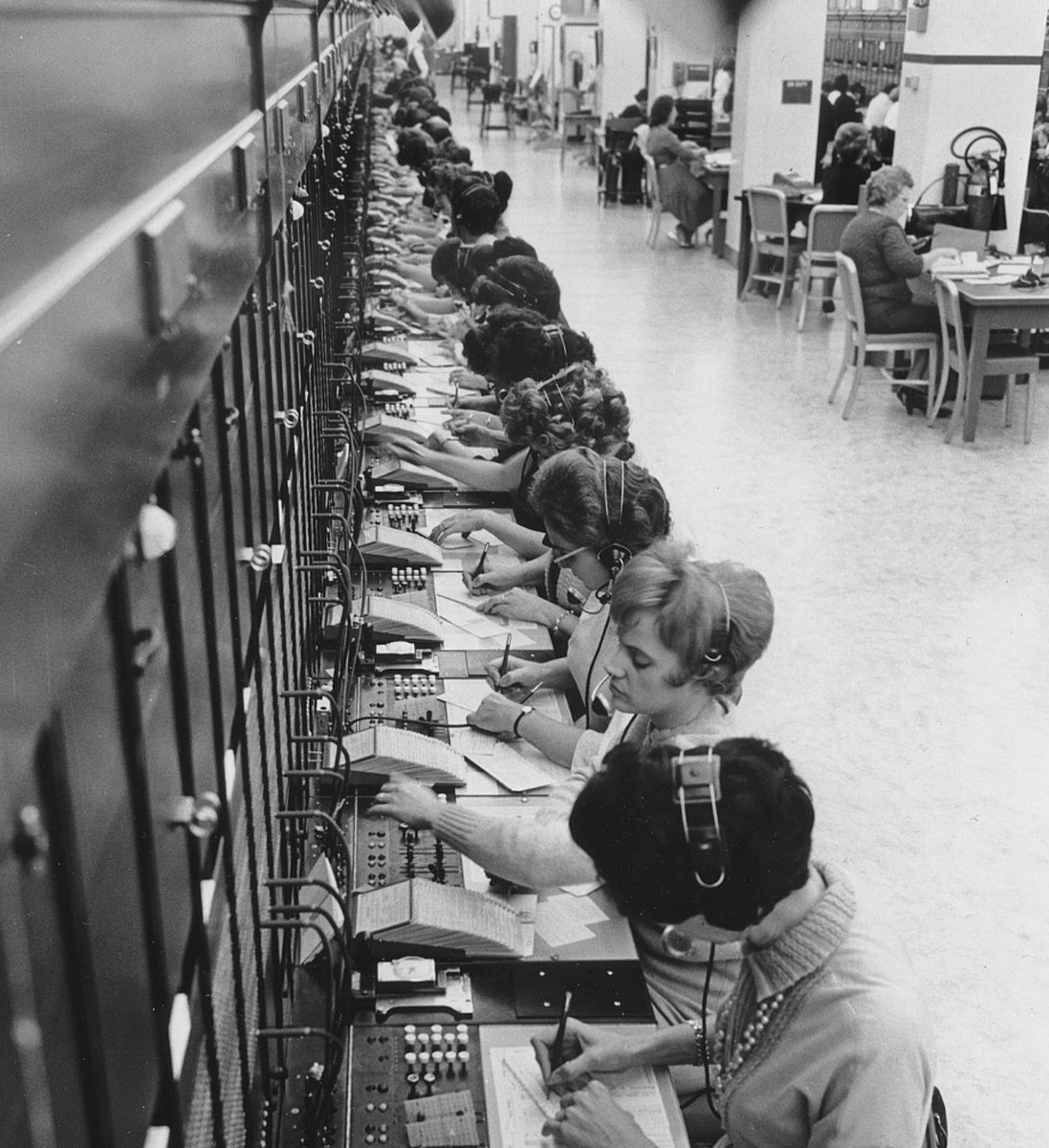
FIG. 01 — FROM THE ORIGINAL THREAD
The strongest argument for banning open-weights models? Written in 1907. Theodore Vail had just retaken AT&T and declared competition a waste: “Universal Service, One system, One policy” was the only way to guarantee a return on capital.
Vail: “Duplication of plant is a waste to the investor; duplication of charges is a waste to the user.” […] “The public […] has never benefited by destructive competition.” @deanwball: “open-weight models obviously deter ai capex.”
Same candor, a century apart.
Vail’s ask? Regulation. Washington obliged, for decades.
Then came the 1956 antitrust consent decree. AT&T was forced to license every patent royalty-free, transistor included, and stay out of computing. The innovation gains? Driven by young firms outside AT&T’s original markets. (H/T @Watzinger)
The irony is you get neither closed nor open models without antitrust forcing AT&T’s hand.
Worrying about who funds the next training run concedes the point: the value of foundational infrastructure accrues downstream. It always does.
Originally published as a thread on X.