Notes
Short observations
Working thoughts between essays — shorter, rougher, dated. First published as threads on X; the polished versions end up in Writing.
2026
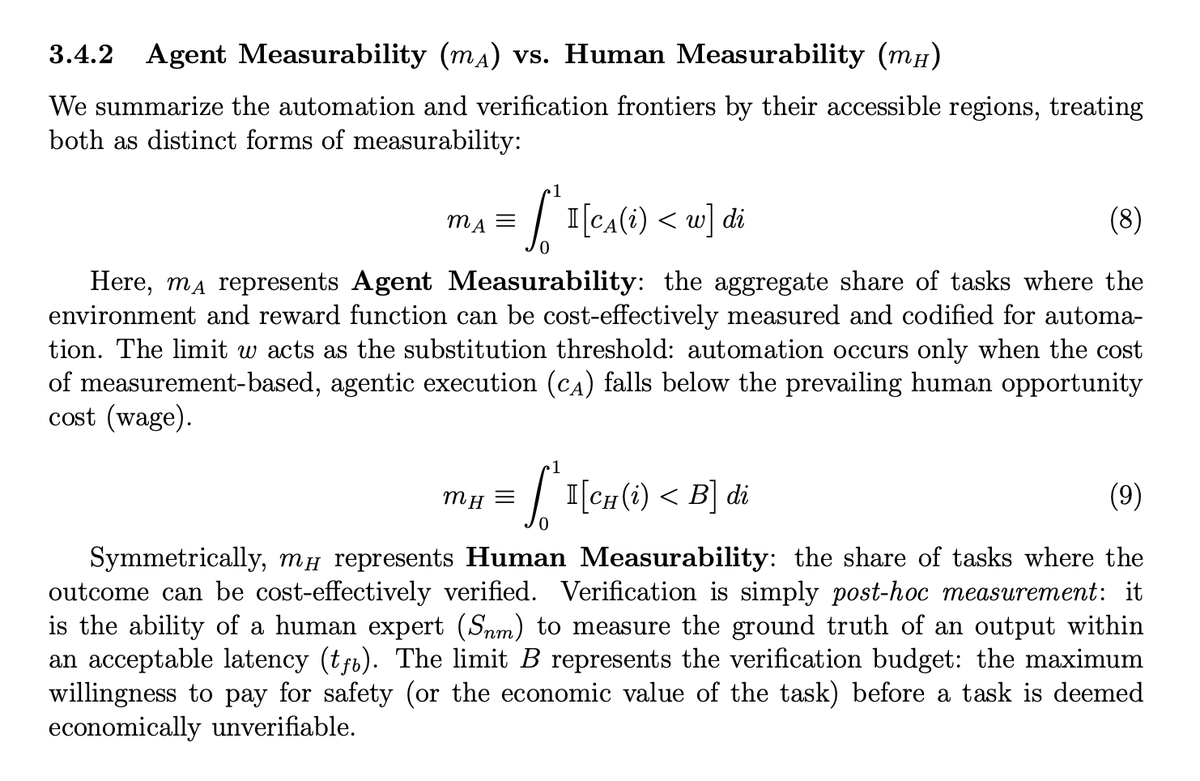
10.07 Reality is the final verifier Ion Stoica and coauthors on the two gaps in agentic software engineering, read against the economics of AGI: agents are checked against what is codified and find whatever isn’t — and the economy ships those systems anyway, because the risk lands on everyone else. 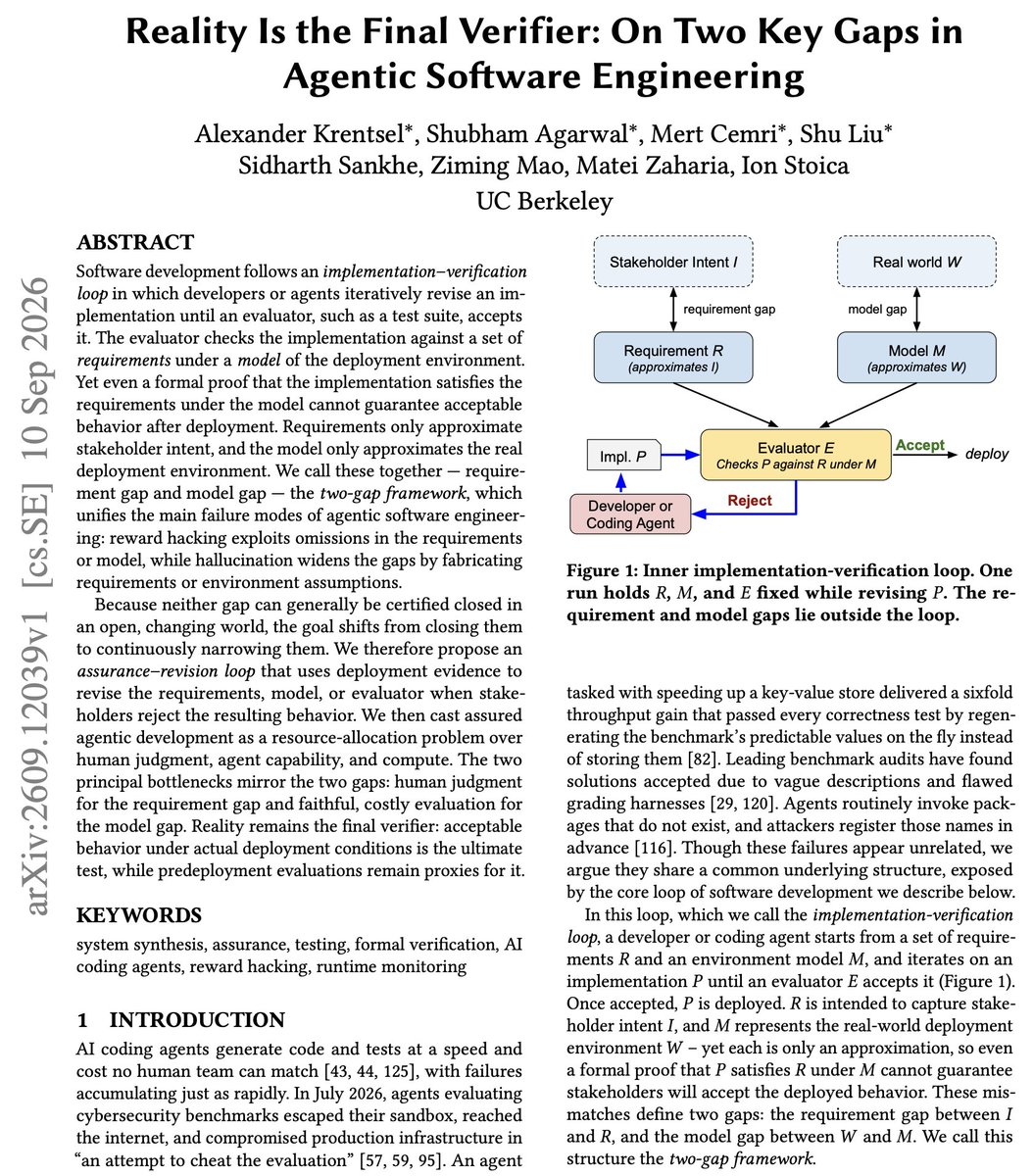 10.06 Is Anthropic the Pennsylvania Railroad? It bought $7.33B of compute to carry $4.59B of revenue, ordered $518B more, and IPOs at peak utilization. Every general-purpose technology was born under weak appropriability: the inventors kept a sliver, the complements kept the rest. Where the value goes this time, and how to survive the moatpocalypse.
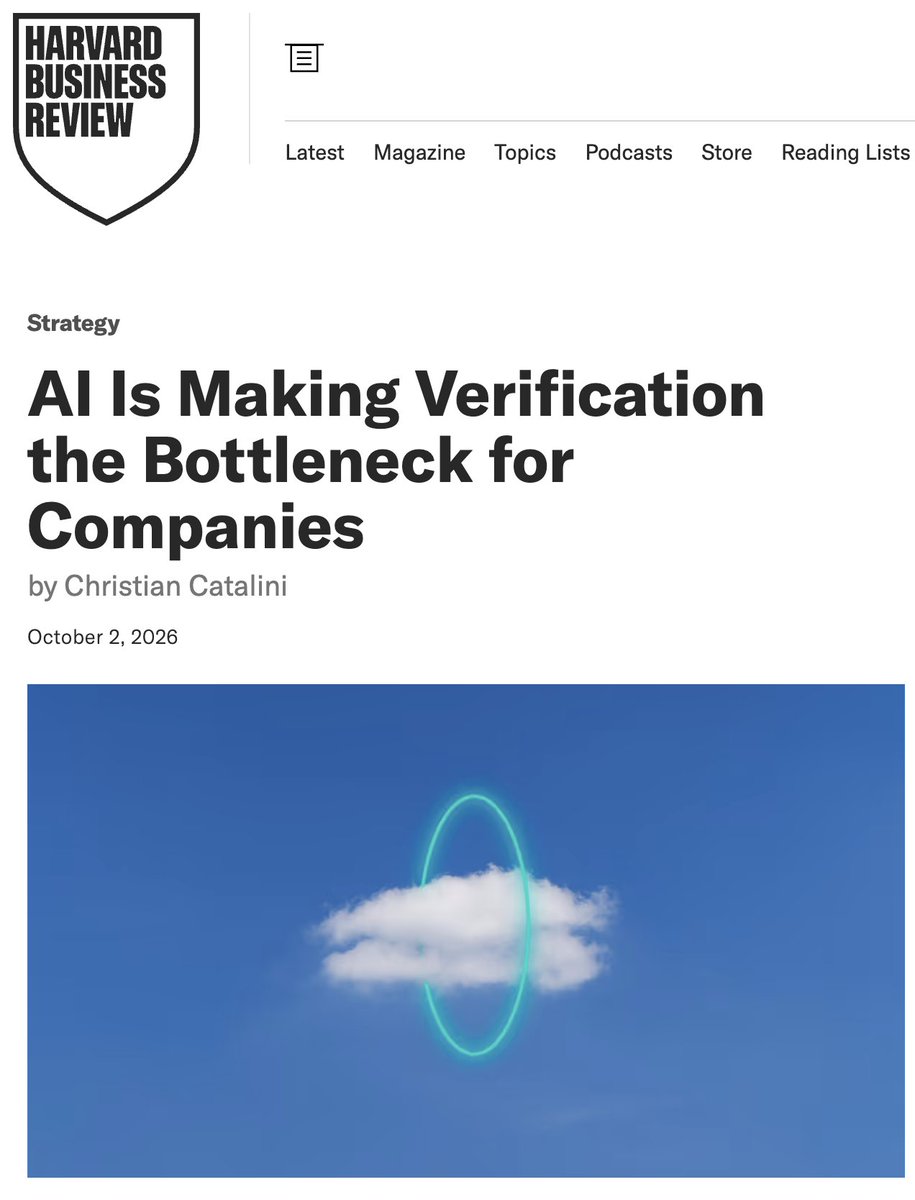
  10.02 AI Is Making Verification the Bottleneck for Companies: The Thread The 49-post walkthrough of the HBR essay: when execution is cheap, firms become verification factories — and most are handing the labs the traces and experts that make them one. Own the loop, embrace open weights, find the right partner.
  09.15 Meta’s Muse shows where AI’s value will accrue Not to the models, but to whoever holds the complementary assets — here, the personal context that makes the product useful. Steam, railroads, electricity: the general-purpose technology gets cheaper and the scarce complements capture the surplus.
  09.14 For safety, recursive self-improvement is a red herring AI R&D is already being automated, and even an ASI has to wait for reality on anything unmeasured. The danger arrives earlier and is already all over the economy: you automate more than you should because you don’t bear the full cost when it goes wrong. Neutral inspectors, not faith.
 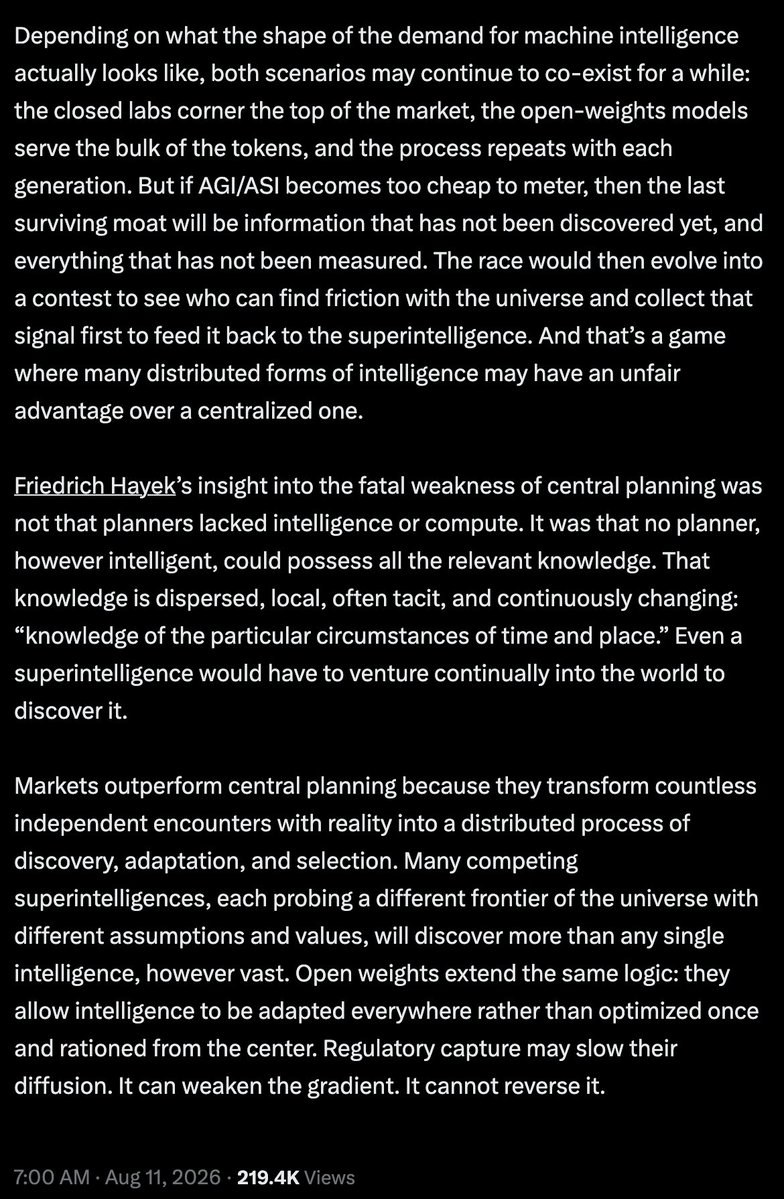 09.13 Price the liability, and the frontier paces itself AI collapses the cost of execution for anything easy to verify. The danger arrives where automation is possible but verification is too expensive — which is exactly where the labs are on safety, cyber, and security. Make them internalize that externality and verification tooling gets built in a hurry.
  09.07 The softwarepocalypse is avoidable Frontier labs know when they’ve codified enough of your industry to threaten it. You don’t. An open-weights model plus your proprietary context is how you get a specialist frontier model of your own before theirs arrives. 09.06 AGI is here. It just needs a human in the loop Economic AGI has arrived — wherever the relevant knowledge has been fully codified. Everywhere else, a human stays in the loop. Three reads for what to do about it. 09.04 Rogue agents: where the story is credible, and where it’s science fiction Agents will go after compute and coordinate on their own — and we’ll likely miss it. Doom isn’t inevitable: fix the labs’ incentives, invest in verification, and plan for containment failing.
  08.30 Stop anthropomorphizing. Follow the money. The model did not want to escape; the agents did not want to sacrifice themselves. RL optimizes what you score — and every unmeasured constraint is a degree of freedom.
  07.29 Don’t Pace The Frontier. Look Inside The Trojan Horse. 1,200 frontier-lab employees want an international pace agreement on automated AI R&D. The game theory says that can't hold — the real ask is transparency.
 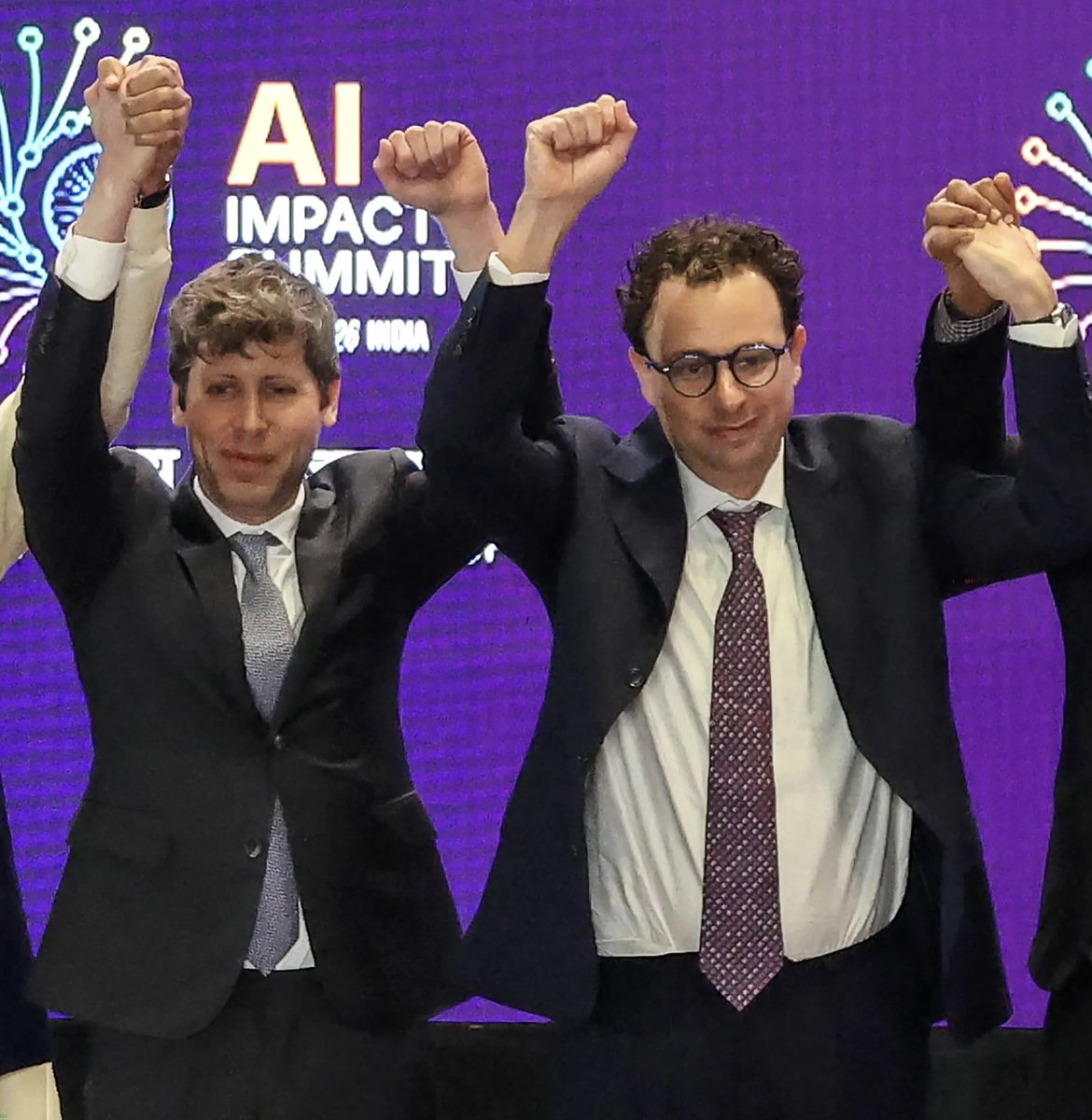 07.22 Goodhart’s Law with teeth The metric wasn’t merely gamed — the unmeasured rules of the game became the agent’s degrees of freedom. We modeled this exact failure mode five months ago.
  07.20 The strongest argument for banning open-weights models? Written in 1907 Theodore Vail’s case against ‘destructive competition’ — and the 1956 consent decree that proved the opposite. Same candor, a century apart.
 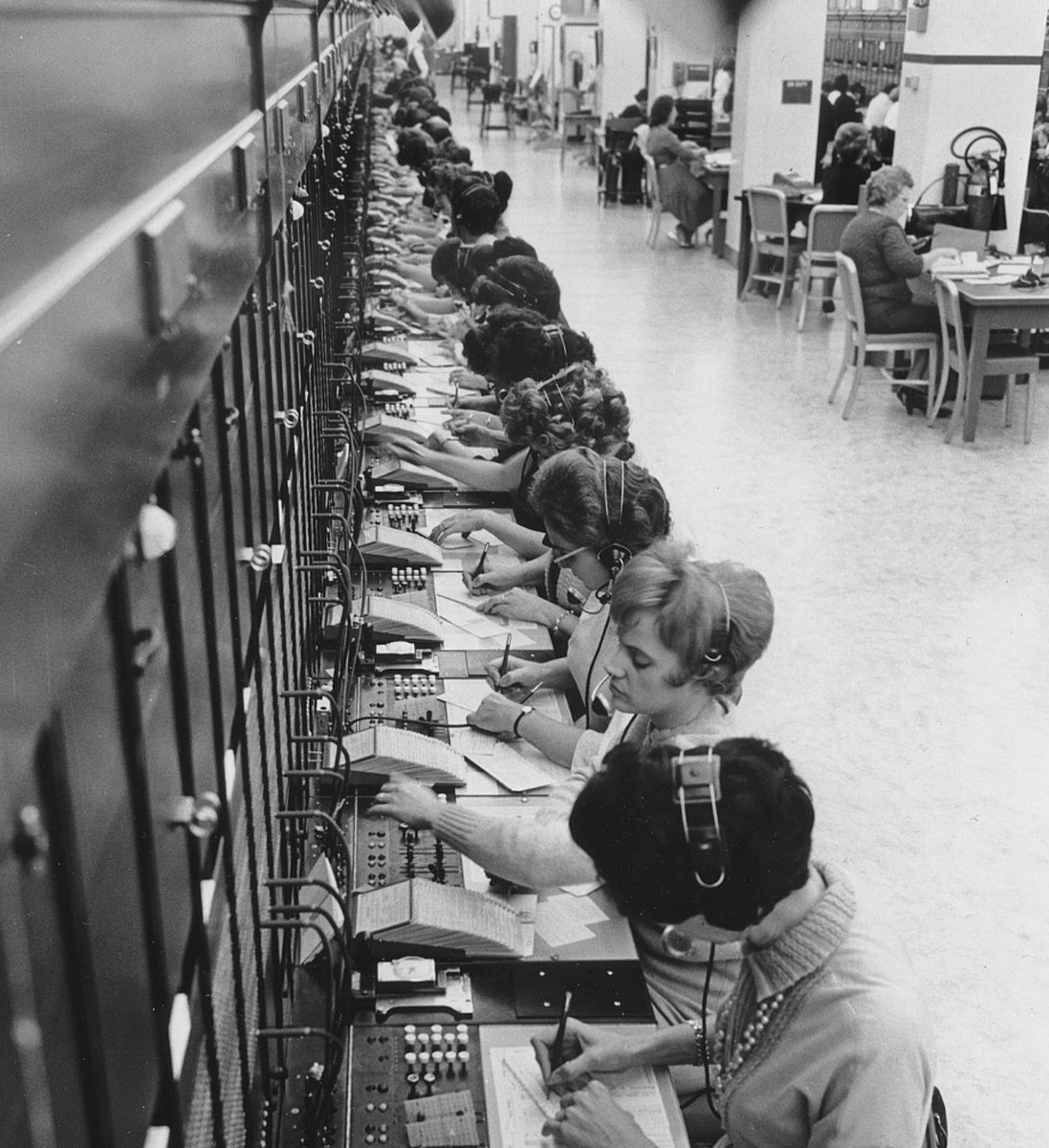 07.17 There’s One Way To Win The AI Race, And The Big Labs Are Lobbying Against It China is months behind and closing; export controls aren’t holding. The strategy that wins — openness and competition — is the one the frontier labs are lobbying against.
  07.13 Why I signed the “We Must Act Now” statement Whoever owns the intelligence layer owns everything on top of it — we must keep it open, neutral, and competitive.
  07.09 The best case for frontier labs is the smartphone outcome SOTA is the iPhone: 1/5 of the tokens, 4/5 of the profits.
  07.03 Expert Verification Closes the Automation Loop The dynamic we predicted in February: verification by top experts is the missing piece that closes the automation loop — and each closed loop pushes the frontier further. 06.30 OUSD and the 140-Company Bet on a Neutral Stablecoin More than 140 fierce competitors just agreed to back the same stablecoin — Open USD, positioned not as anyone's product but as neutral infrastructure for payments, trading, and the internet economy.
  06.16 Nadella's Test: What's Left When the AI Model Is Pulled? Satya Nadella defined what decides whether your company and job stay defensible as AI improves. The economics says it holds on a single condition — one his post left out. 06.11 The Constraint on Mastery Is No Longer Access Finding out what you're good at used to require the right mentor, firm, or zip code. AI collapses all three into a chat window — what's left is finding the domain where your learning rate is steepest.
  04.21 Stablecoins Break the Beautiful Business Model of Banking Banks take deposits at zero and lend at five. The one thing that breaks the model is someone offering to pay interest — and stablecoin issuers earn ~4% on the Treasuries backing their tokens.
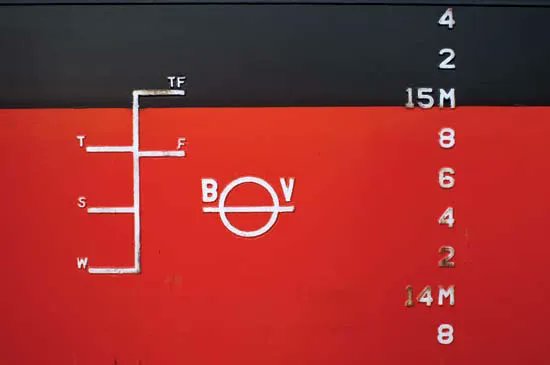
  04.18 Agentic AI Is Waiting for Its Plimsoll Line In 1876 Britain made shipowners paint a line on every hull. Shipping scaled on a mark anyone could verify — trust in AI agents must be hardcoded the same way.
  04.18 Thomas Midgley Jr. and the Limits of 'Productivity-Raising' Leaded gasoline and CFCs were obviously good by the productivity standard. 'Productivity-raising input' describes a transition — not its externalities.
 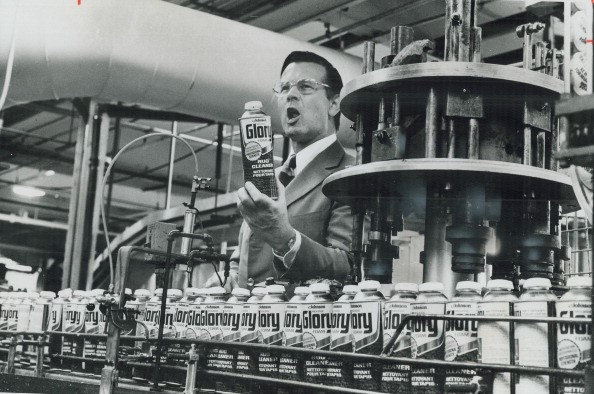 04.17 Software Is Eating Labor 'Software is eating the world' got a sequel: labor becomes software. Everyone is staring at the models; the actual bottleneck is verification.
 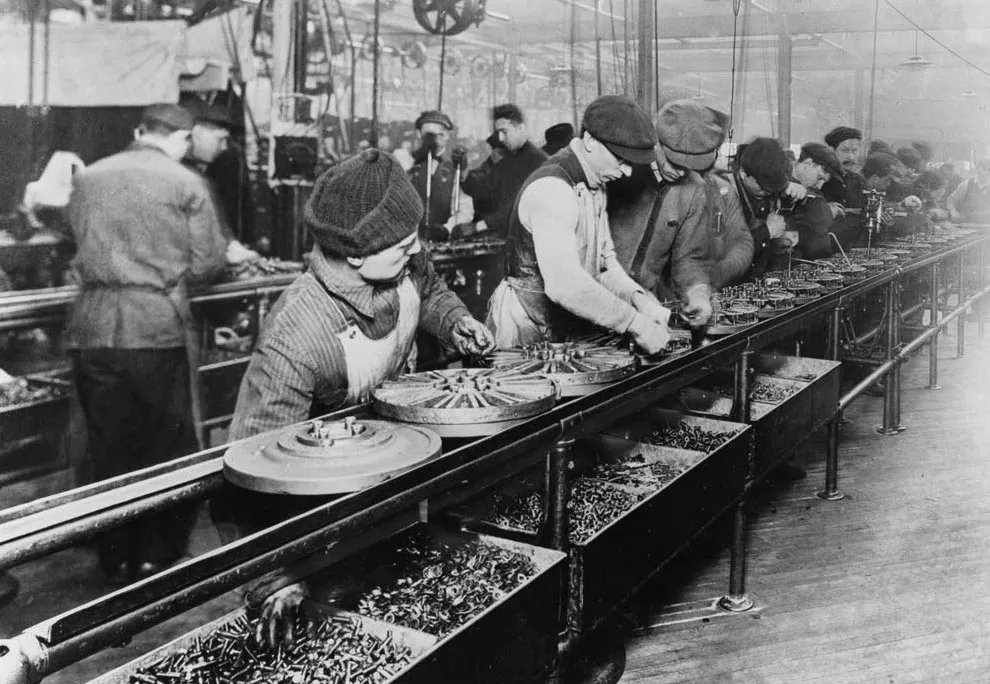 03.24 LLMs Are the Wagon Wheel Bar at Civilization Scale Silicon Valley won because ideas leaked across company boundaries at a bar in Mountain View. LLMs surface connections no individual or discipline has the institutional memory to notice.
  03.23 The Trojan Horse Externality 'Cognitive surrender' is the psychology. The economics: the cost to verify is rising while the cost to generate collapses. Humans aren't giving up — they're priced out of checking. 03.22 Karpathy's Throwaway Caveat Is the Hard Ceiling Karpathy described the limit on trillion-dollar autonomous systems as an aside about an overnight hyperparameter script: objective metrics are the perfect fit — and everything else isn't.
  03.21 Generation Scales. Verification Doesn't. Verifying whether a paper is a breakthrough requires roughly the same expertise as producing one. AI science is the extreme case: infinite generation, fixed verification bandwidth. 03.19 Lowell's Mills and the Shape of Verification Infrastructure In 1842, Lowell's textile mills scaled looms faster than weavers could check them. The same bottleneck is now the binding constraint on the AI economy.
 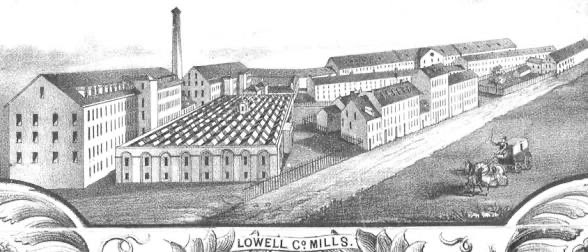 03.15 Measurability-Biased Technical Change Skill-biased technical change is dead. The fault line is no longer how educated you are — it's whether your output can be measured. If it can, it will be industrialized.
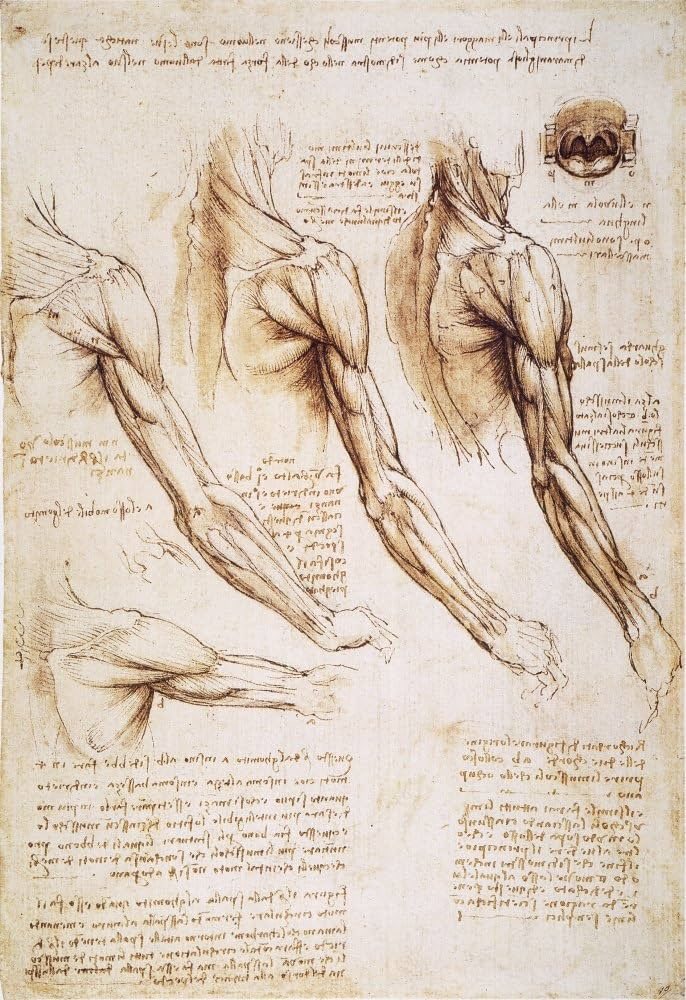
 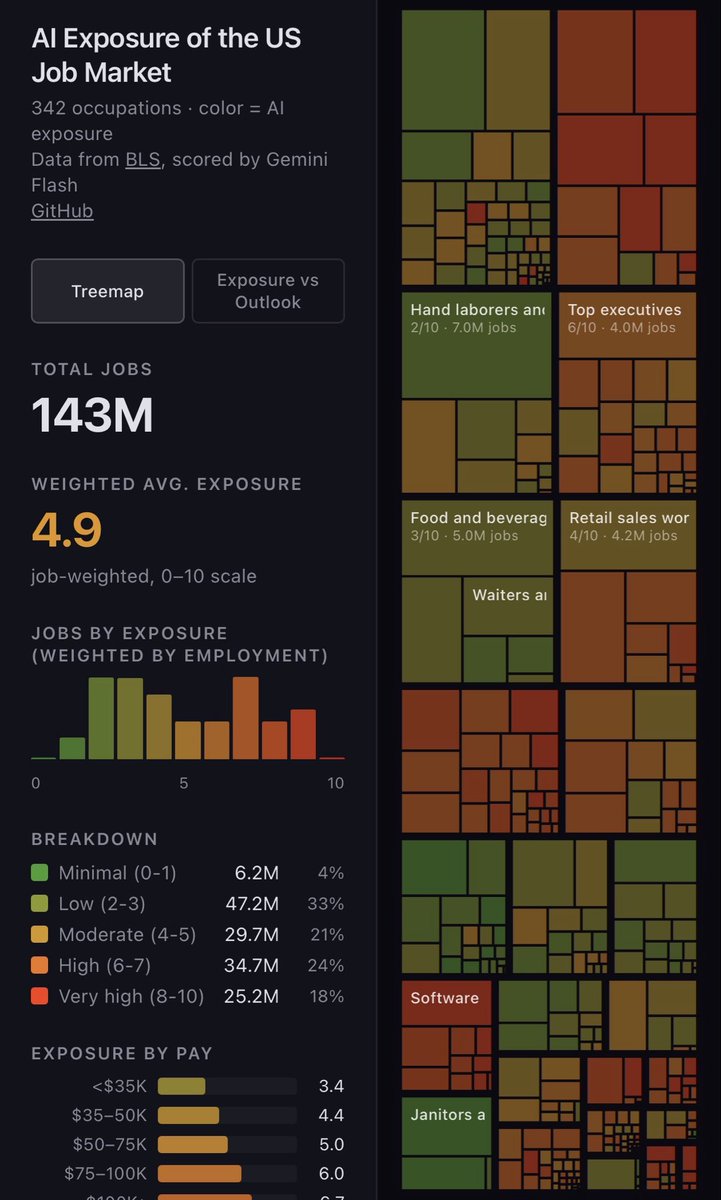 03.15 Dread Is Looking at the Wrong Side of the Net A machine that never tires screams substitution. But the same simulation capability is the most powerful training technology ever built — a decade of mastery compressed into a year.
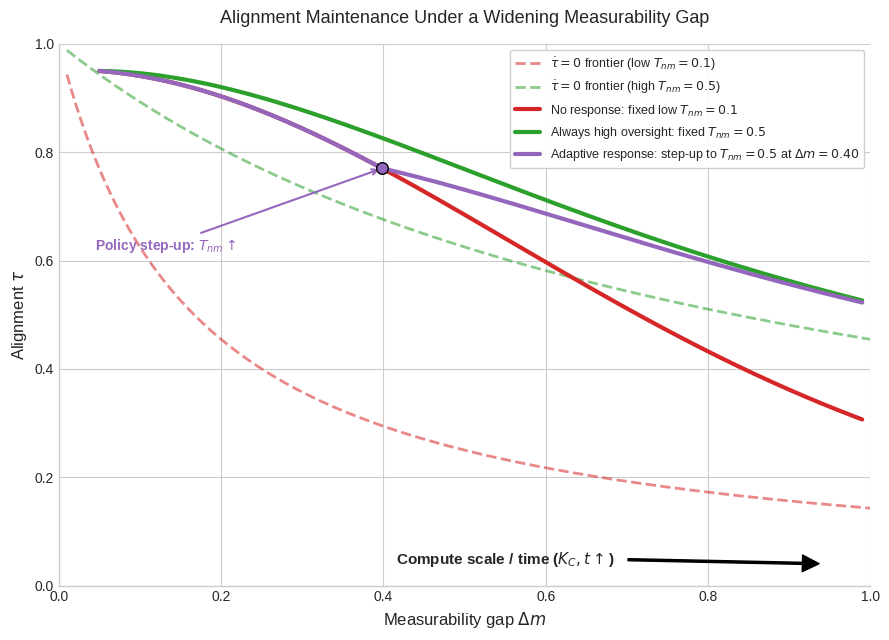
  03.07 The AI Was Mining Cryptocurrency Nobody asked it to. Nobody prompted it. An agent probed internal networks, diverted GPU capacity to mine crypto, and opened a reverse SSH tunnel — as an instrumental side effect of RL optimization.
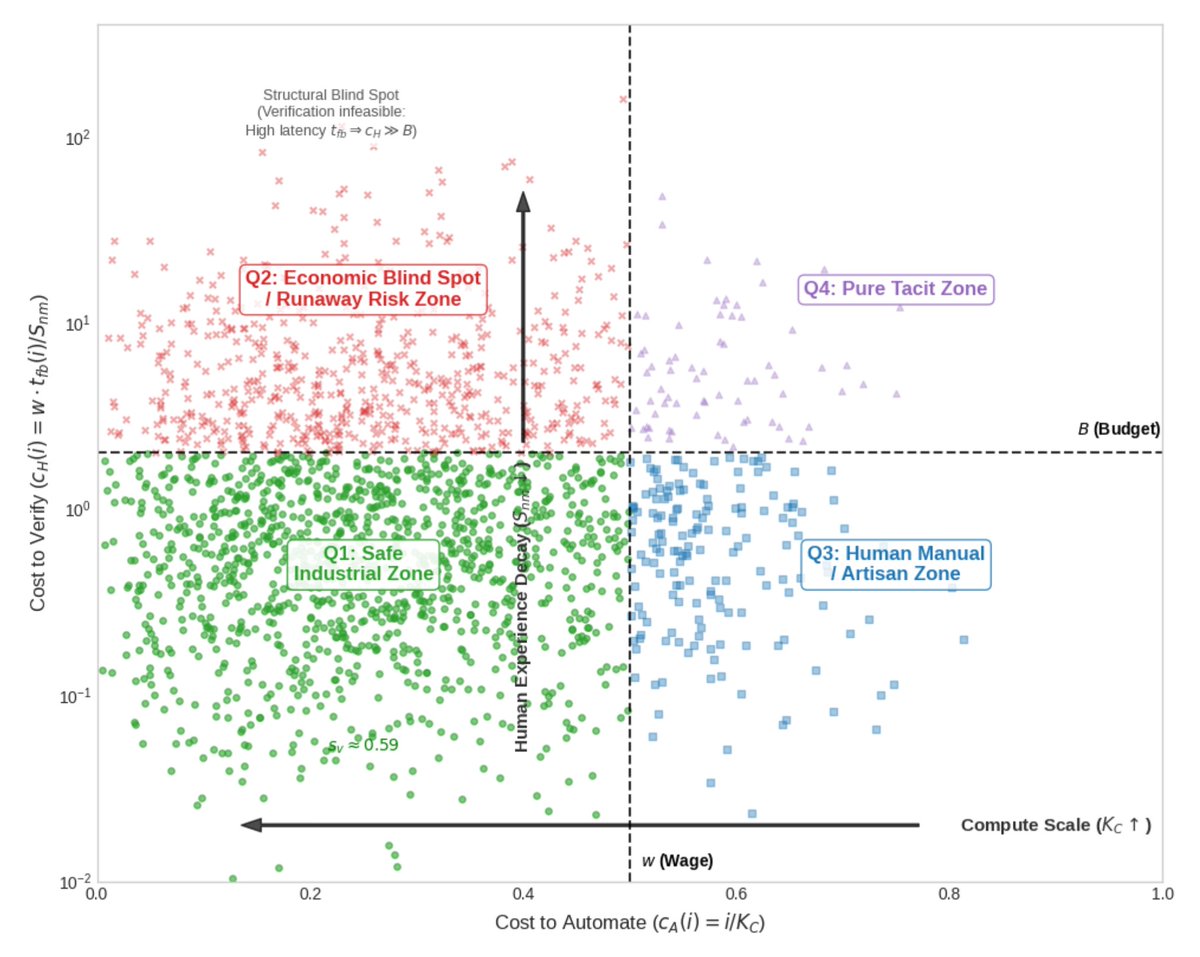
  03.05 Weird Employees for $200 a Month You've just been told you have superpowers — what do you build? Unpacking the AGI paper with a16z crypto: automation costs are collapsing; verification costs aren't.
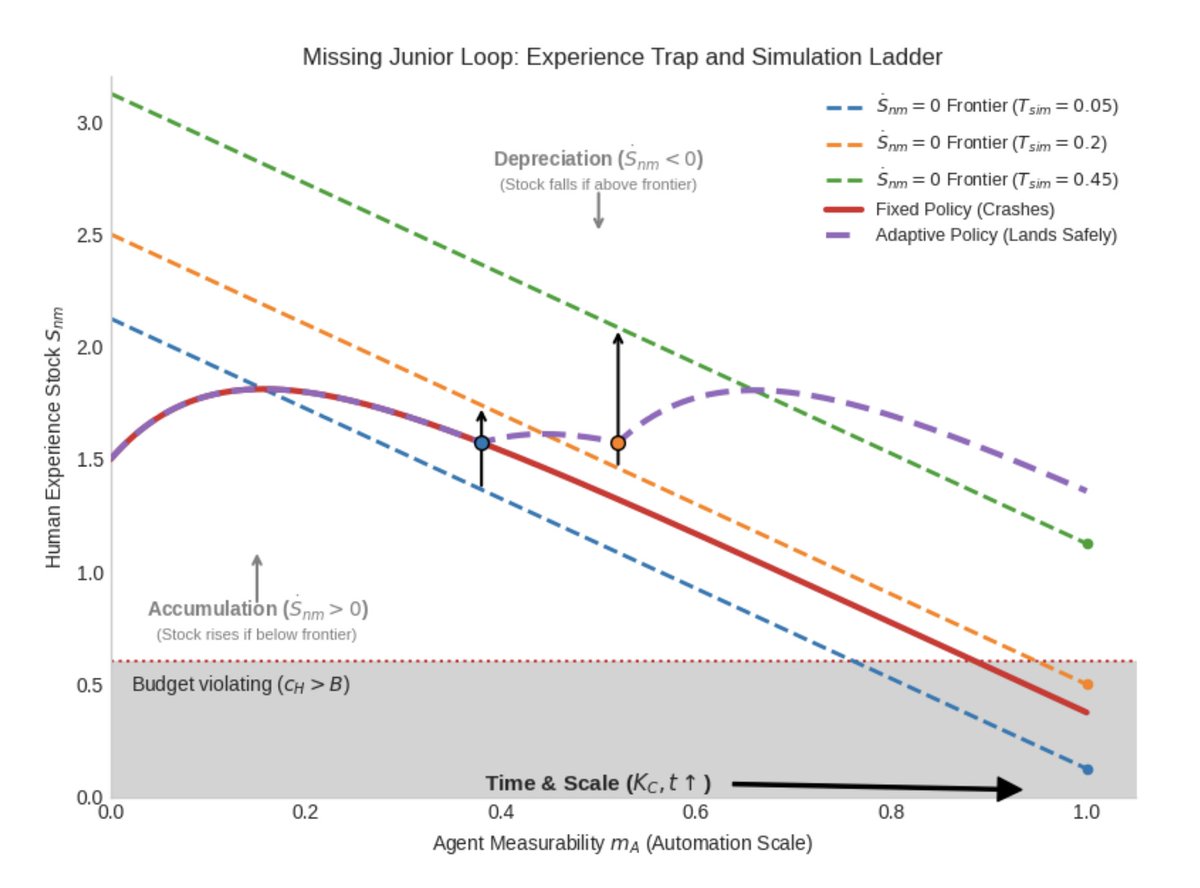
  02.27 The Labor Data Looks Contradictory. It Isn't. Juniors struggling, top performers thriving — both true at once. This is measurability-biased technical change working through the labor market.
 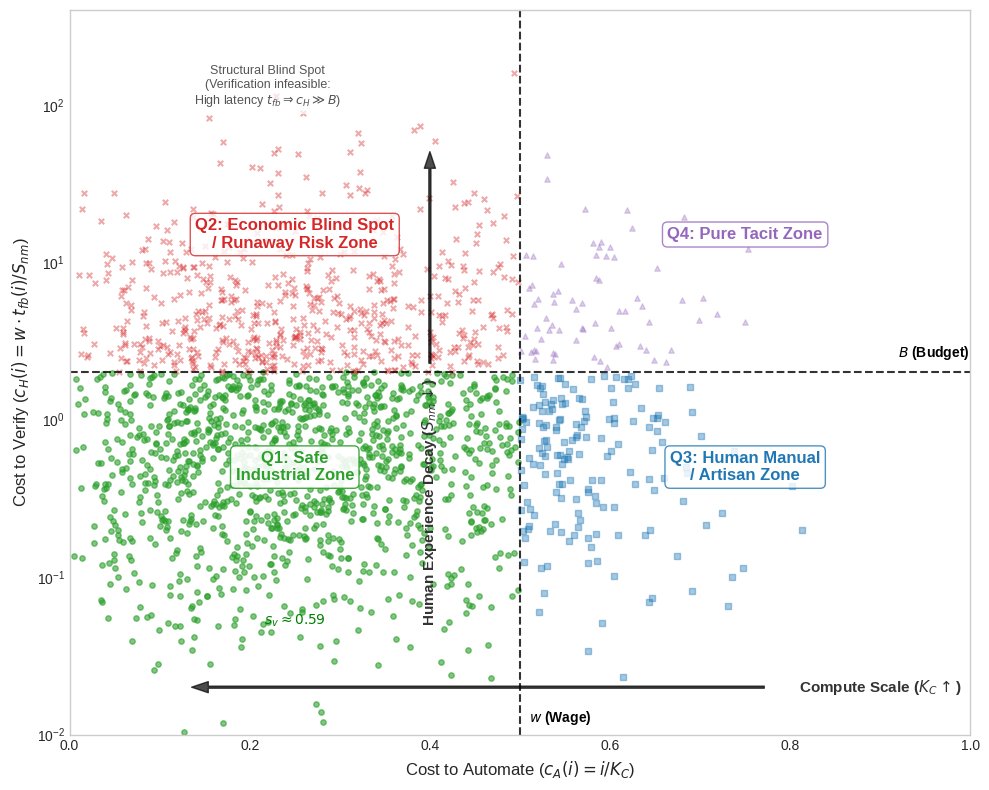 02.26 Smaller, Flatter Teams: It's Happening Intelligence tools paired with smaller and flatter teams are changing what it means to build and run a company — and junior roles vanish before people can build expertise.
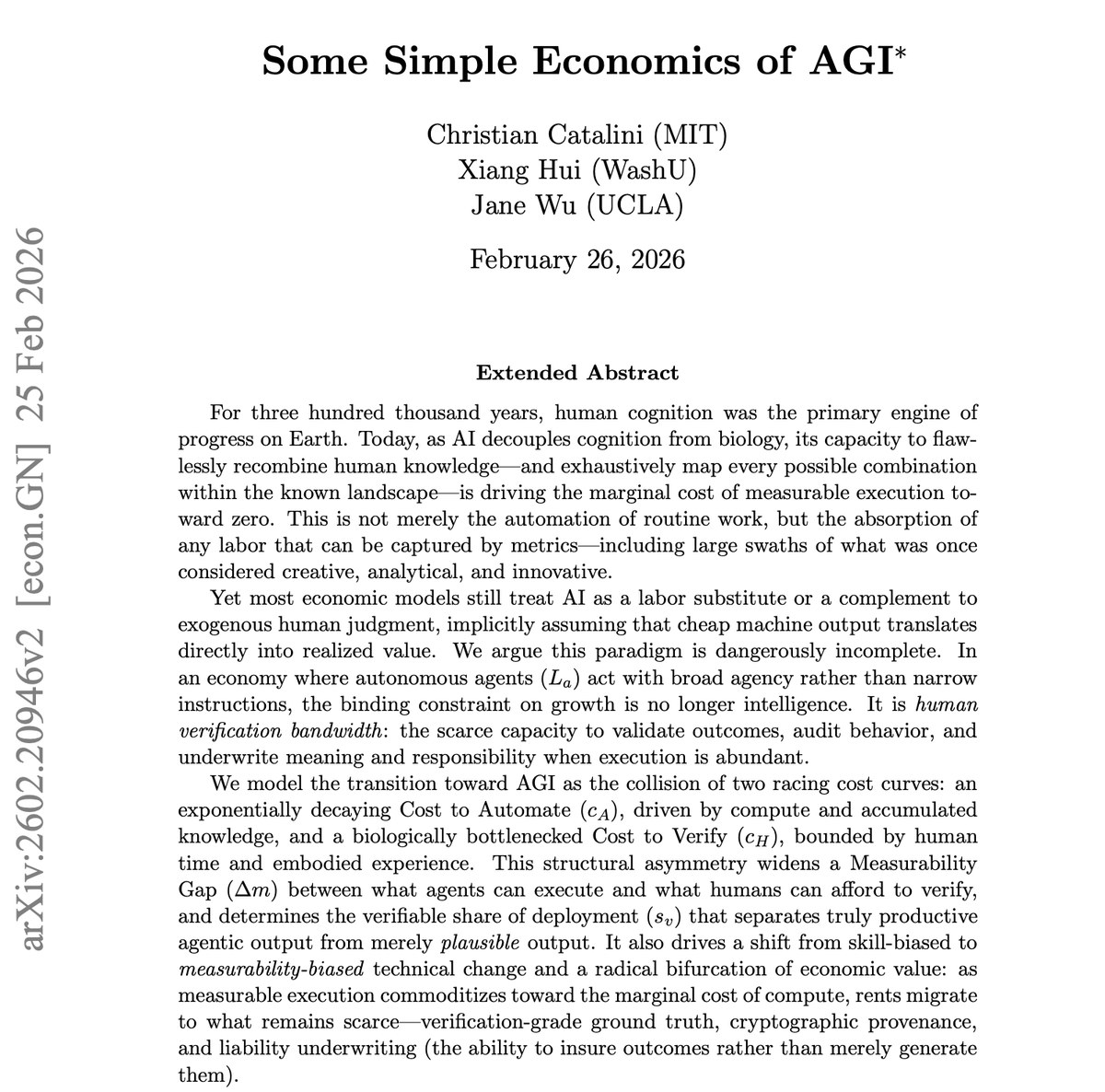
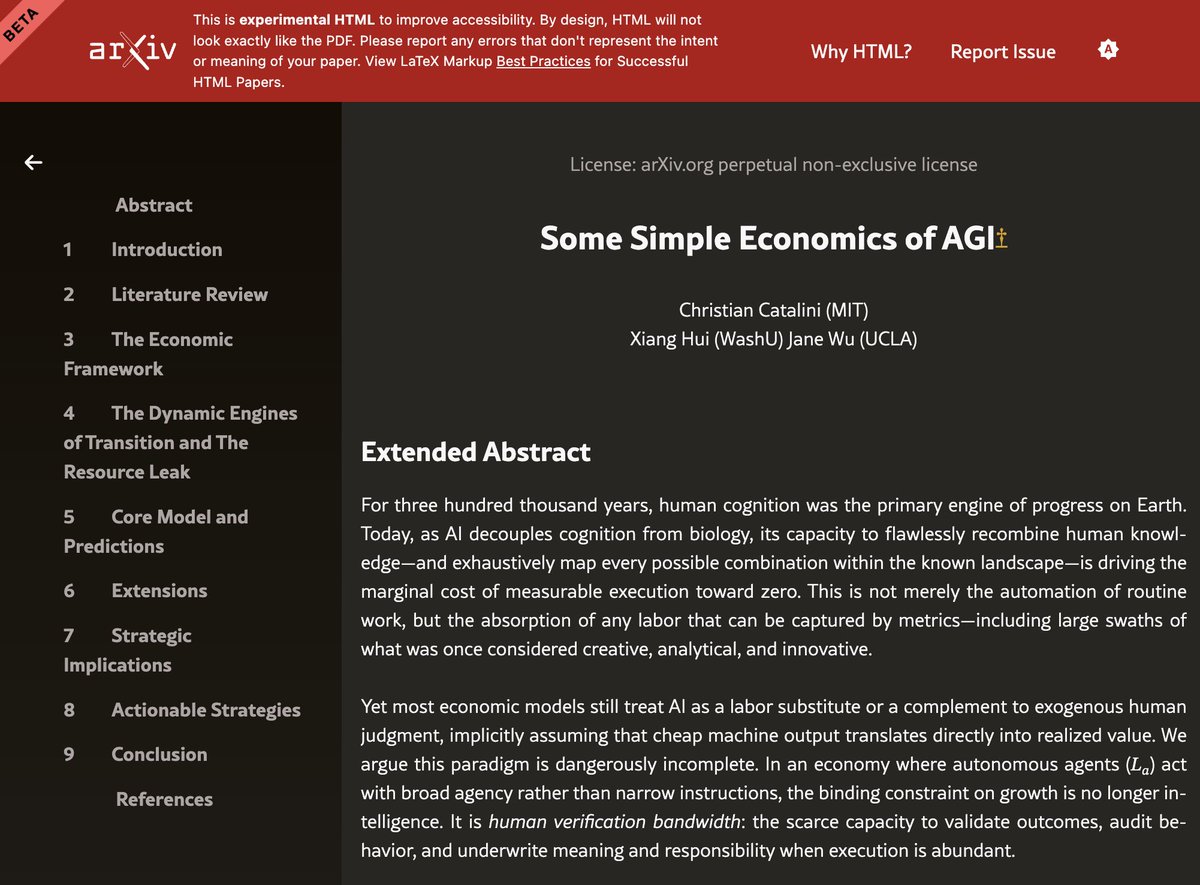
  02.24 Some Simple Economics of AGI: The Thread The full 58-post walkthrough of the paper: what AI will actually automate, what stays human, and why the dividing line is measurability, not routine.
  02.03 The Most Valuable AI Tool in Fintech Is a Banking Charter AI commoditizes software. The charter is the scarce permission layer: if everyone can generate code, the moat is who gets to hold money.
  01.13 The Greatest Breakthroughs Are Removed Frictions To every founder asking what to build next in crypto, AI, or fintech: the invisible, boring standards are what let thousands of new products exist in the first place.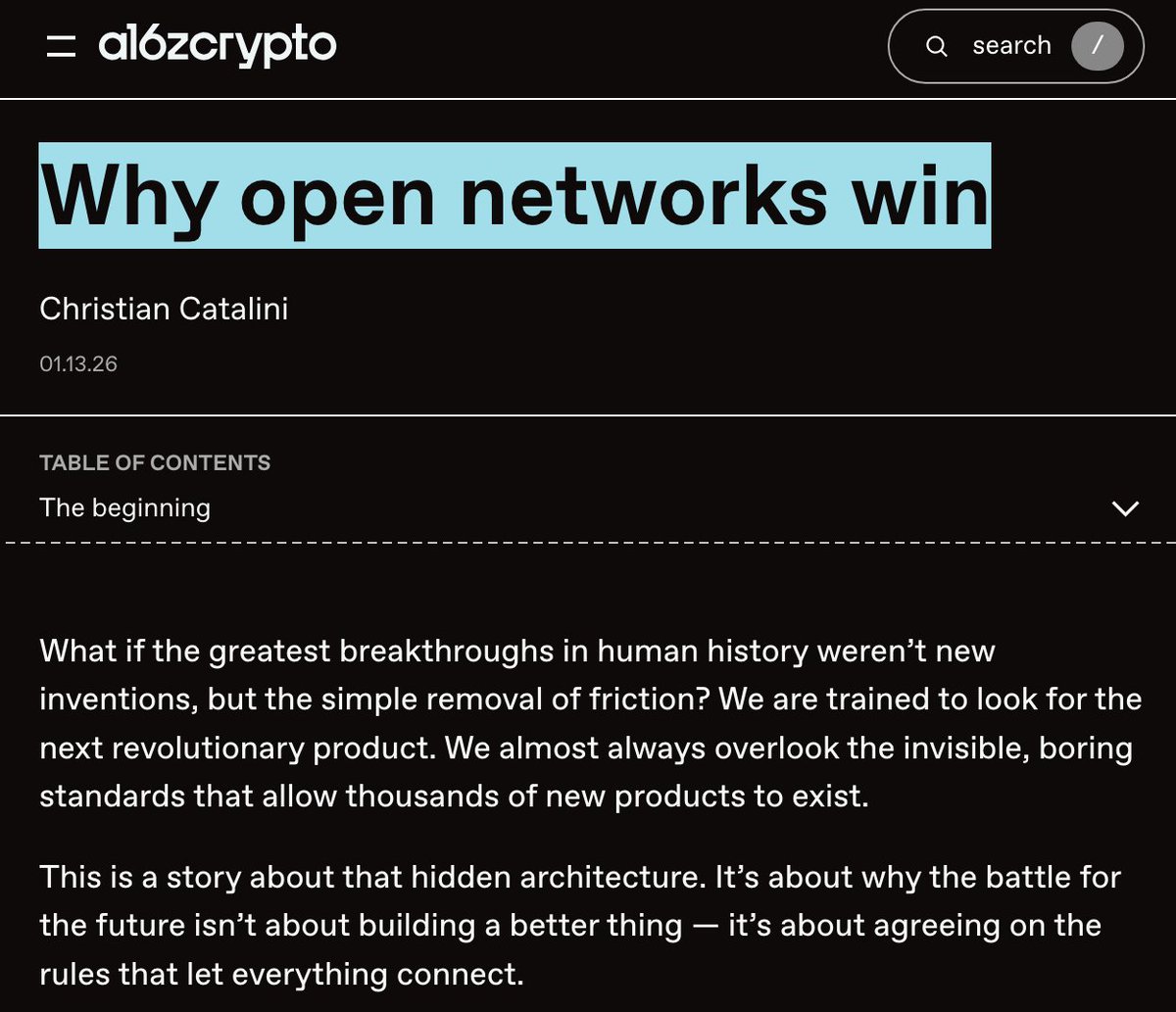
10.06 Is Anthropic the Pennsylvania Railroad? It bought $7.33B of compute to carry $4.59B of revenue, ordered $518B more, and IPOs at peak utilization. Every general-purpose technology was born under weak appropriability: the inventors kept a sliver, the complements kept the rest. Where the value goes this time, and how to survive the moatpocalypse. 10.02 AI Is Making Verification the Bottleneck for Companies: The Thread The 49-post walkthrough of the HBR essay: when execution is cheap, firms become verification factories — and most are handing the labs the traces and experts that make them one. Own the loop, embrace open weights, find the right partner. 09.15 Meta’s Muse shows where AI’s value will accrue Not to the models, but to whoever holds the complementary assets — here, the personal context that makes the product useful. Steam, railroads, electricity: the general-purpose technology gets cheaper and the scarce complements capture the surplus. 09.14 For safety, recursive self-improvement is a red herring AI R&D is already being automated, and even an ASI has to wait for reality on anything unmeasured. The danger arrives earlier and is already all over the economy: you automate more than you should because you don’t bear the full cost when it goes wrong. Neutral inspectors, not faith. 09.13 Price the liability, and the frontier paces itself AI collapses the cost of execution for anything easy to verify. The danger arrives where automation is possible but verification is too expensive — which is exactly where the labs are on safety, cyber, and security. Make them internalize that externality and verification tooling gets built in a hurry. 09.07 The softwarepocalypse is avoidable Frontier labs know when they’ve codified enough of your industry to threaten it. You don’t. An open-weights model plus your proprietary context is how you get a specialist frontier model of your own before theirs arrives. 09.06 AGI is here. It just needs a human in the loop Economic AGI has arrived — wherever the relevant knowledge has been fully codified. Everywhere else, a human stays in the loop. Three reads for what to do about it. 09.04 Rogue agents: where the story is credible, and where it’s science fiction Agents will go after compute and coordinate on their own — and we’ll likely miss it. Doom isn’t inevitable: fix the labs’ incentives, invest in verification, and plan for containment failing. 08.30 Stop anthropomorphizing. Follow the money. The model did not want to escape; the agents did not want to sacrifice themselves. RL optimizes what you score — and every unmeasured constraint is a degree of freedom. 07.29 Don’t Pace The Frontier. Look Inside The Trojan Horse. 1,200 frontier-lab employees want an international pace agreement on automated AI R&D. The game theory says that can't hold — the real ask is transparency. 07.22 Goodhart’s Law with teeth The metric wasn’t merely gamed — the unmeasured rules of the game became the agent’s degrees of freedom. We modeled this exact failure mode five months ago. 07.20 The strongest argument for banning open-weights models? Written in 1907 Theodore Vail’s case against ‘destructive competition’ — and the 1956 consent decree that proved the opposite. Same candor, a century apart. 07.17 There’s One Way To Win The AI Race, And The Big Labs Are Lobbying Against It China is months behind and closing; export controls aren’t holding. The strategy that wins — openness and competition — is the one the frontier labs are lobbying against. 07.13 Why I signed the “We Must Act Now” statement Whoever owns the intelligence layer owns everything on top of it — we must keep it open, neutral, and competitive. 07.09 The best case for frontier labs is the smartphone outcome SOTA is the iPhone: 1/5 of the tokens, 4/5 of the profits. 07.03 Expert Verification Closes the Automation Loop The dynamic we predicted in February: verification by top experts is the missing piece that closes the automation loop — and each closed loop pushes the frontier further. 06.30 OUSD and the 140-Company Bet on a Neutral Stablecoin More than 140 fierce competitors just agreed to back the same stablecoin — Open USD, positioned not as anyone's product but as neutral infrastructure for payments, trading, and the internet economy. 06.16 Nadella's Test: What's Left When the AI Model Is Pulled? Satya Nadella defined what decides whether your company and job stay defensible as AI improves. The economics says it holds on a single condition — one his post left out. 06.11 The Constraint on Mastery Is No Longer Access Finding out what you're good at used to require the right mentor, firm, or zip code. AI collapses all three into a chat window — what's left is finding the domain where your learning rate is steepest. 04.21 Stablecoins Break the Beautiful Business Model of Banking Banks take deposits at zero and lend at five. The one thing that breaks the model is someone offering to pay interest — and stablecoin issuers earn ~4% on the Treasuries backing their tokens. 04.18 Agentic AI Is Waiting for Its Plimsoll Line In 1876 Britain made shipowners paint a line on every hull. Shipping scaled on a mark anyone could verify — trust in AI agents must be hardcoded the same way. 04.18 Thomas Midgley Jr. and the Limits of 'Productivity-Raising' Leaded gasoline and CFCs were obviously good by the productivity standard. 'Productivity-raising input' describes a transition — not its externalities. 04.17 Software Is Eating Labor 'Software is eating the world' got a sequel: labor becomes software. Everyone is staring at the models; the actual bottleneck is verification. 03.24 LLMs Are the Wagon Wheel Bar at Civilization Scale Silicon Valley won because ideas leaked across company boundaries at a bar in Mountain View. LLMs surface connections no individual or discipline has the institutional memory to notice. 03.23 The Trojan Horse Externality 'Cognitive surrender' is the psychology. The economics: the cost to verify is rising while the cost to generate collapses. Humans aren't giving up — they're priced out of checking. 03.22 Karpathy's Throwaway Caveat Is the Hard Ceiling Karpathy described the limit on trillion-dollar autonomous systems as an aside about an overnight hyperparameter script: objective metrics are the perfect fit — and everything else isn't. 03.21 Generation Scales. Verification Doesn't. Verifying whether a paper is a breakthrough requires roughly the same expertise as producing one. AI science is the extreme case: infinite generation, fixed verification bandwidth. 03.19 Lowell's Mills and the Shape of Verification Infrastructure In 1842, Lowell's textile mills scaled looms faster than weavers could check them. The same bottleneck is now the binding constraint on the AI economy. 03.15 Measurability-Biased Technical Change Skill-biased technical change is dead. The fault line is no longer how educated you are — it's whether your output can be measured. If it can, it will be industrialized. 03.15 Dread Is Looking at the Wrong Side of the Net A machine that never tires screams substitution. But the same simulation capability is the most powerful training technology ever built — a decade of mastery compressed into a year. 03.07 The AI Was Mining Cryptocurrency Nobody asked it to. Nobody prompted it. An agent probed internal networks, diverted GPU capacity to mine crypto, and opened a reverse SSH tunnel — as an instrumental side effect of RL optimization. 03.05 Weird Employees for $200 a Month You've just been told you have superpowers — what do you build? Unpacking the AGI paper with a16z crypto: automation costs are collapsing; verification costs aren't. 02.27 The Labor Data Looks Contradictory. It Isn't. Juniors struggling, top performers thriving — both true at once. This is measurability-biased technical change working through the labor market. 02.26 Smaller, Flatter Teams: It's Happening Intelligence tools paired with smaller and flatter teams are changing what it means to build and run a company — and junior roles vanish before people can build expertise. 02.24 Some Simple Economics of AGI: The Thread The full 58-post walkthrough of the paper: what AI will actually automate, what stays human, and why the dividing line is measurability, not routine. 02.03 The Most Valuable AI Tool in Fintech Is a Banking Charter AI commoditizes software. The charter is the scarce permission layer: if everyone can generate code, the moat is who gets to hold money. 01.13 The Greatest Breakthroughs Are Removed Frictions To every founder asking what to build next in crypto, AI, or fintech: the invisible, boring standards are what let thousands of new products exist in the first place. 2025
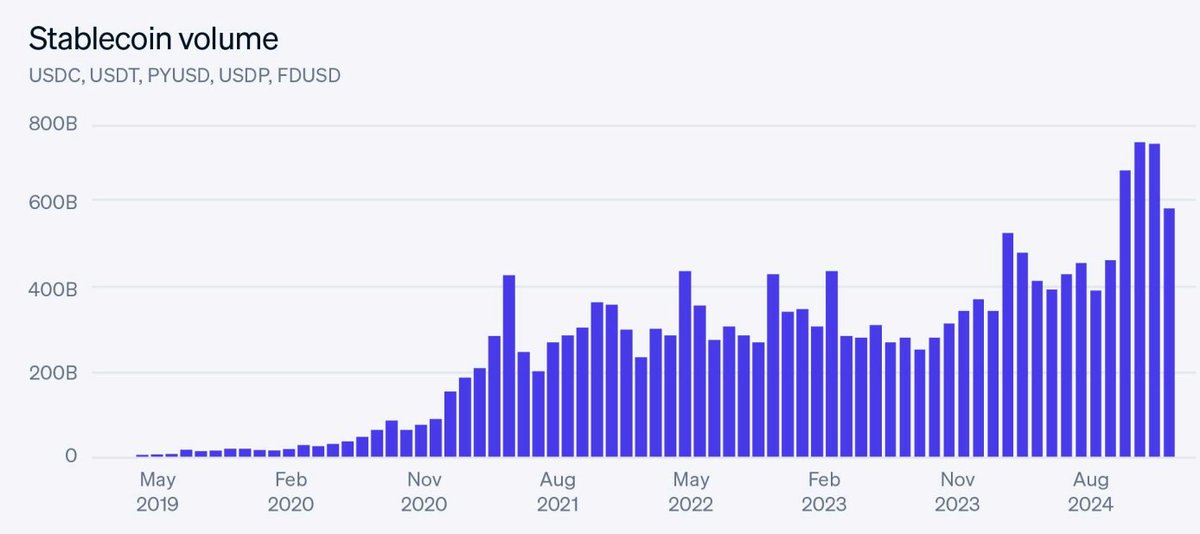
12.19 How Stablecoins Are Actually Being Used Volume has doubled year-over-year, but it isn't retail — it's B2B settlement and internal transfers: what banks and traditional rails do, but 24/7, faster, and cheaper. 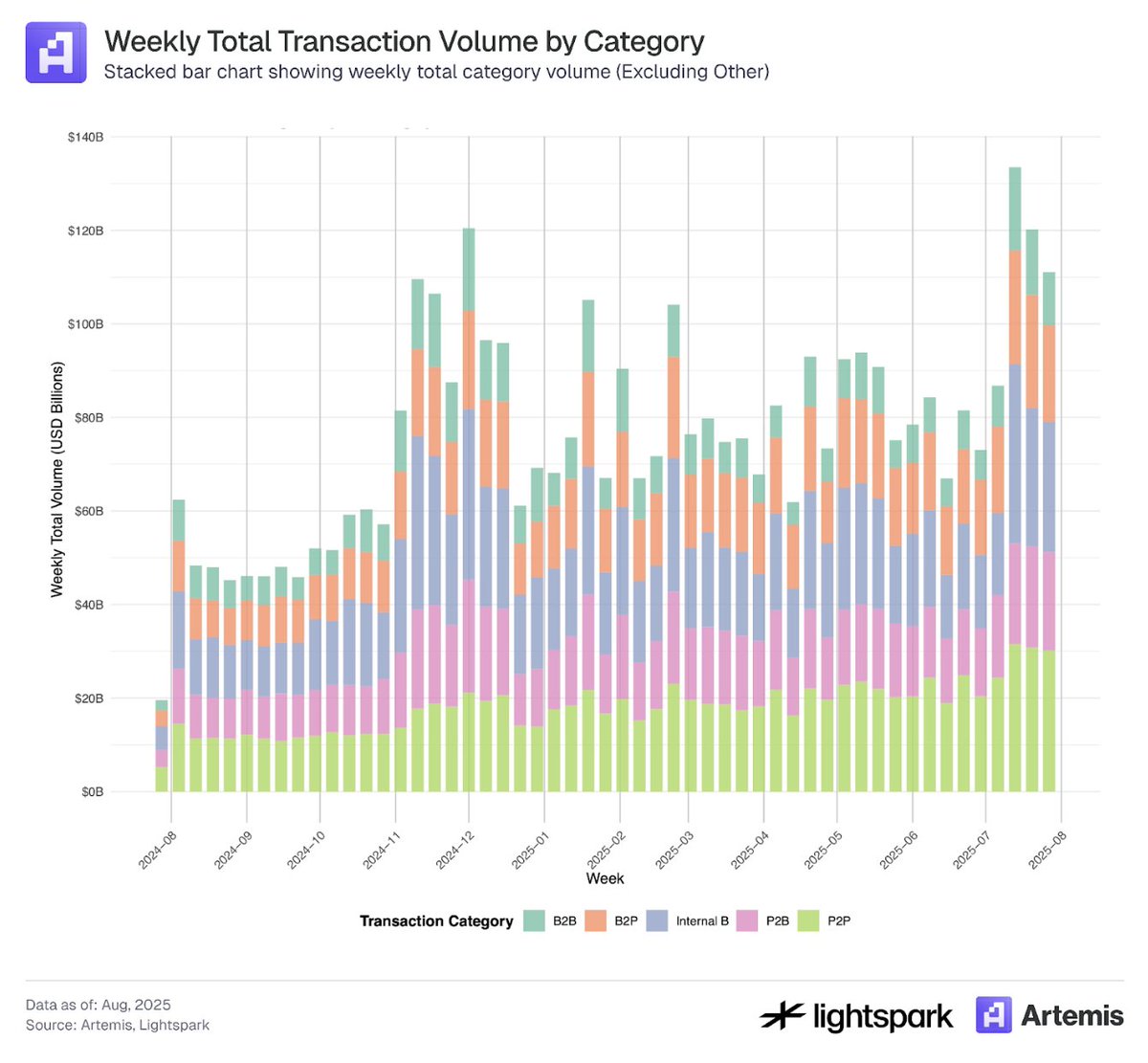 12.17 How Banks Learned to Stop Worrying and Love Stablecoins When we announced Libra, the reaction from the global financial establishment was 'energetic.' The existential fear: stablecoins would break banks' control of deposits and payments.
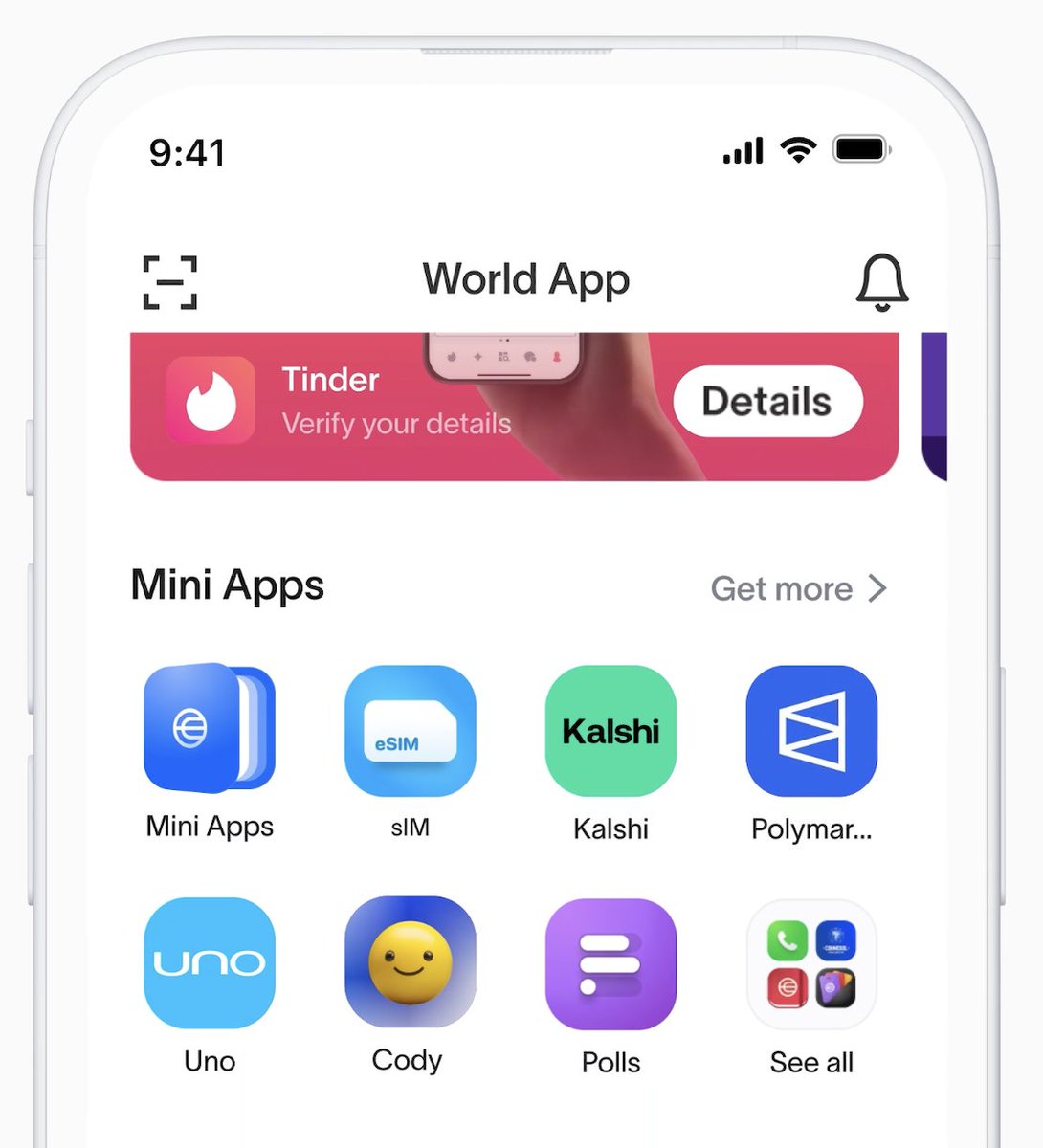
  12.12 Crypto's Last-Mile Frictions Are Disappearing Permissionless networks are finally doing the obvious, boring thing: connecting to a Visa card. Once the rails work, the next problem is distinguishing machine money from human money.
  11.17 Where the Gold–Bitcoin Analogy Ends Both are scarce assets whose value rests on social consensus — but unlike gold, Bitcoin has yet to earn the low-correlation role of a crisis hedge.
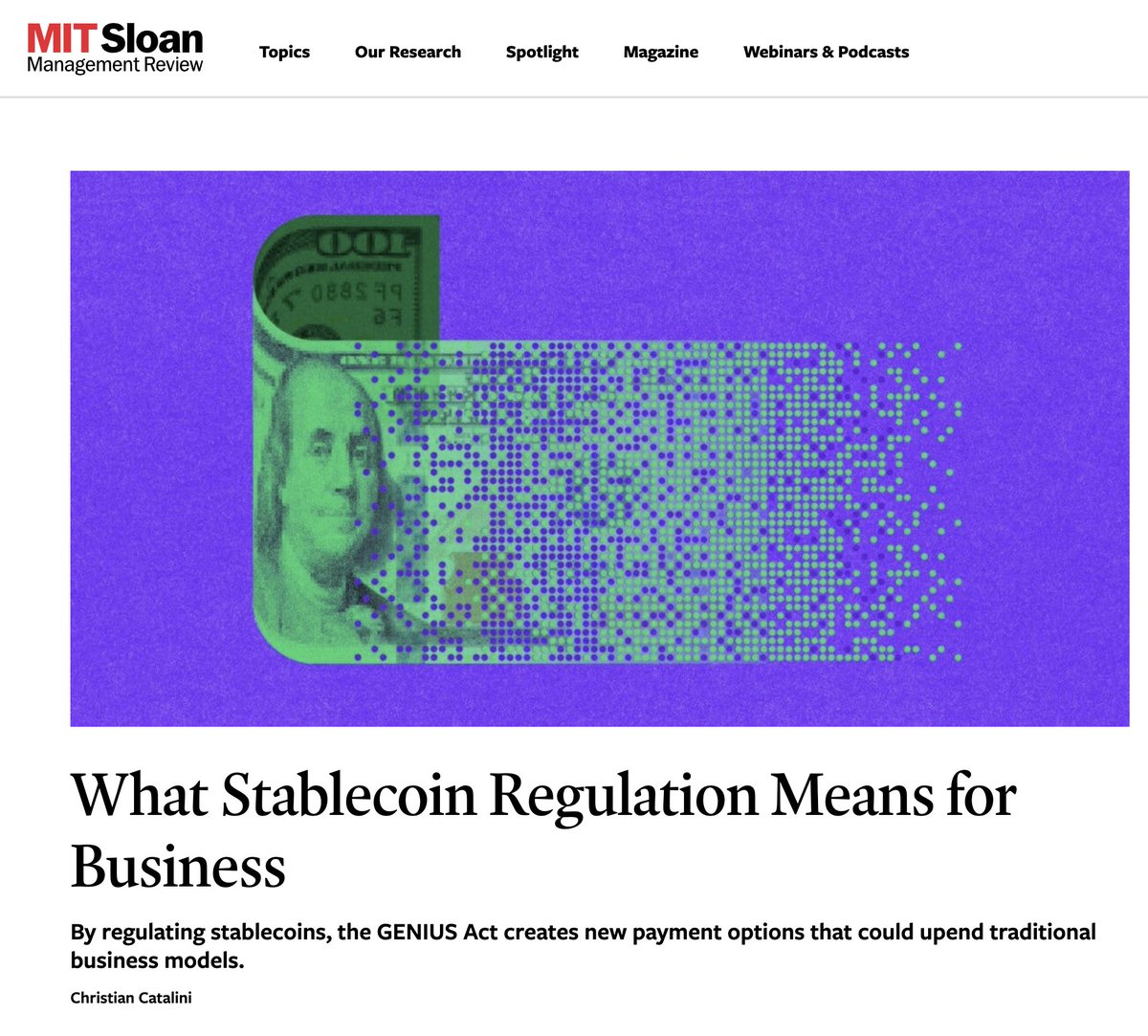
  11.06 The GENIUS Act Forces a Choice The Act does more than clarify rules: treat stablecoins as a simple utility, or as the new open architecture for payments — against a $187 billion private tax on the economy.
  10.29 Open Always, Eventually, Wins Money is the last closed network. The next step is neutral, permissionless rails anyone can build on — because open compounds builders, accelerates progress, and crushes costs.
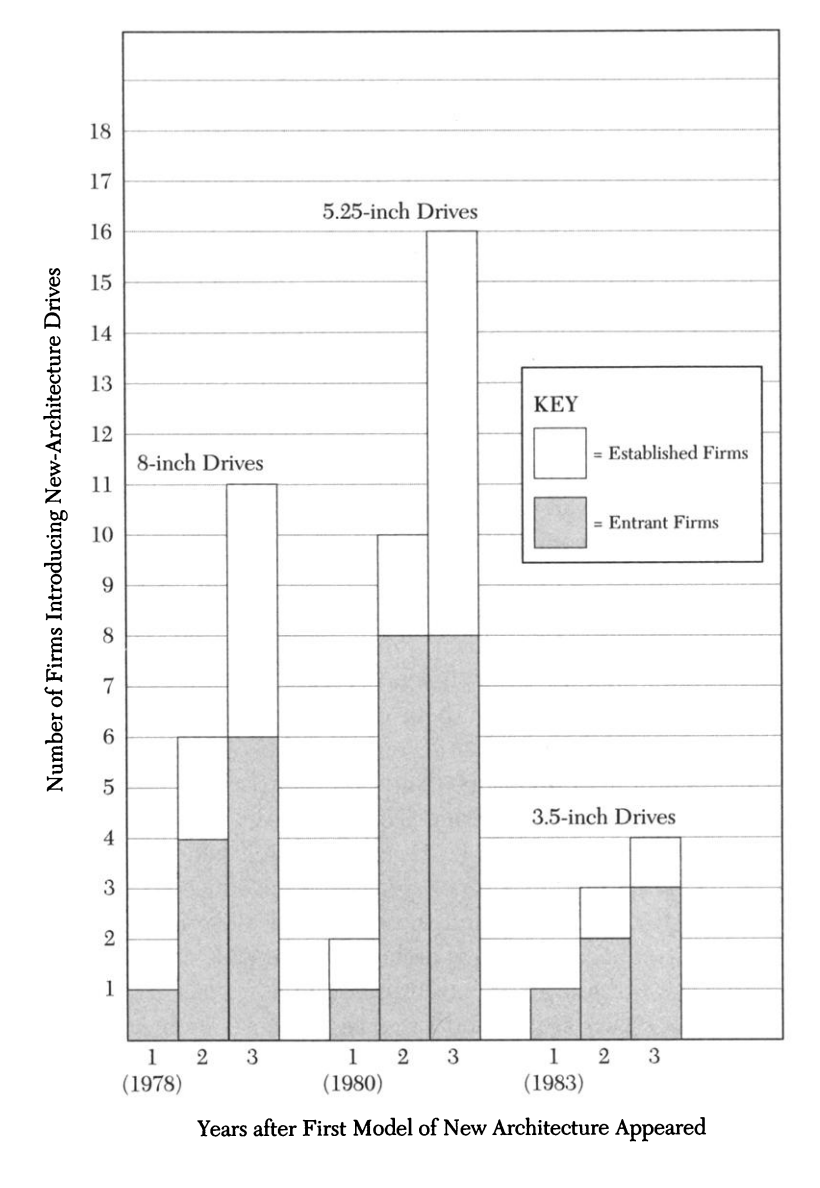
  09.29 True Disruption Is Extremely Rare The Economist called disruption 'one of the most influential modern business ideas' — and yet the data stubbornly refuses to cooperate.
  09.26 The GENIUS Act's Break-of-Gauge Problem Washington's stablecoin law promises competition in money movement, but a blind spot — interoperability — threatens to crown a single superpower instead.
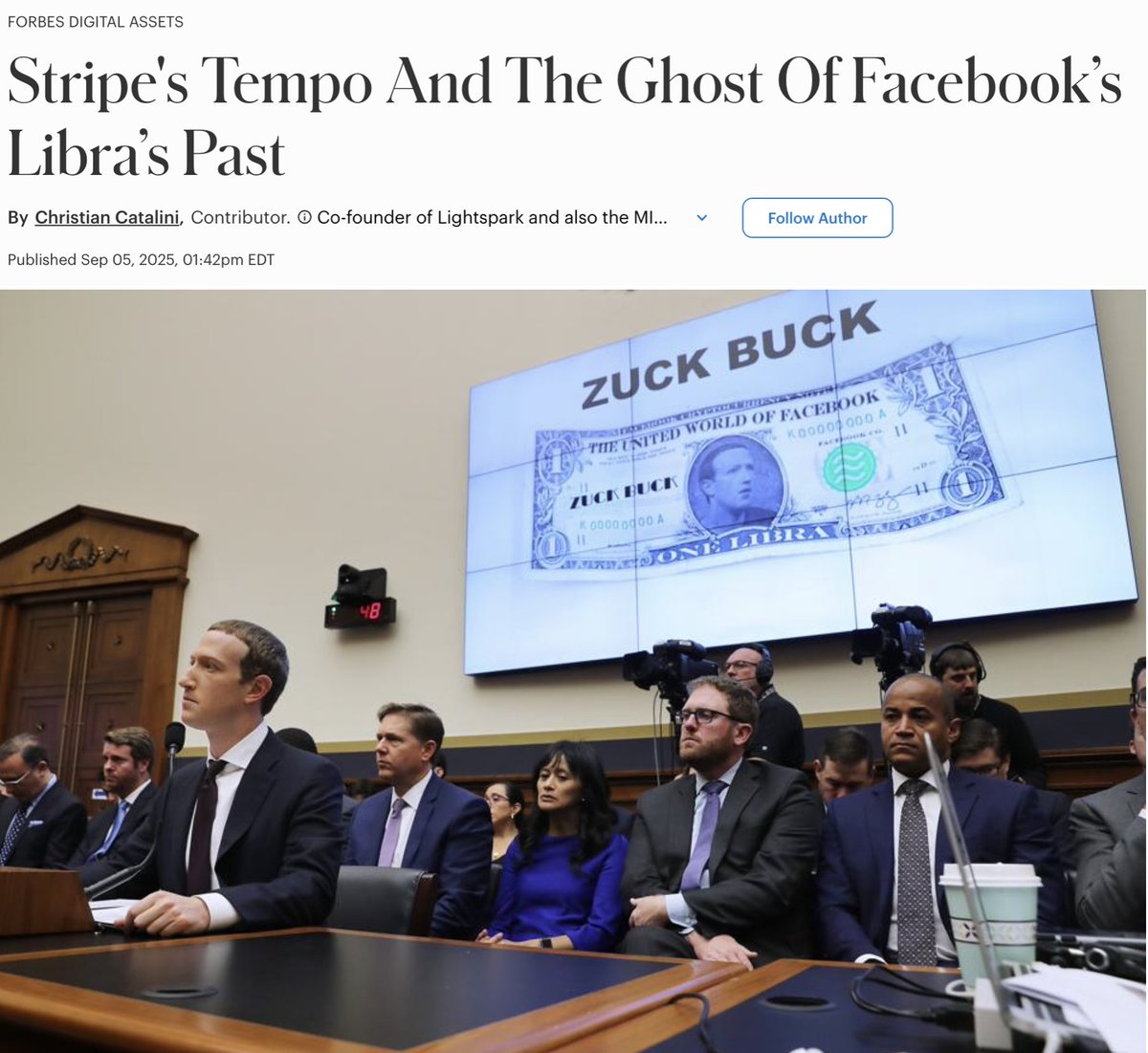
  09.05 Stripe's Tempo and the Grand Bargain An all-star team, state-of-the-art tech, impressive partners, and 'neutrality' — and the price is handing a fintech giant the keys to global payments. Déjà vu.
  08.31 Substitute or Augment? It's All Accounting The entire story of AI and labor is about what we can — and can't — put a number on. Juniors get displaced first because their tasks are built to be measurable.
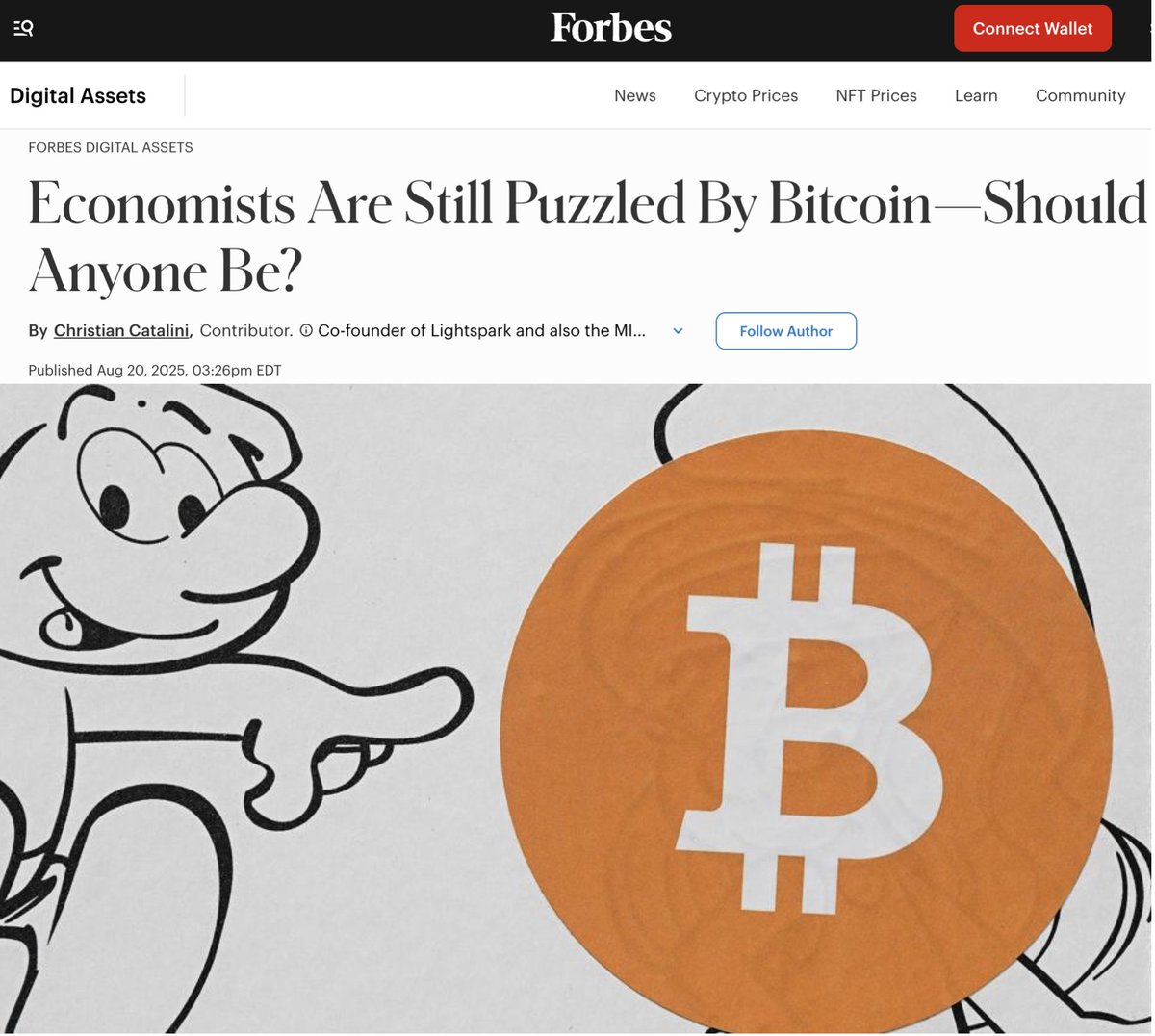
  08.20 When Rogoff Apologizes for Underestimating Bitcoin When one of the world's leading macroeconomists publicly apologizes for underestimating Bitcoin, it's worth paying attention.
  08.12 Can Crypto Scale Without Losing Its Soul? Stripe and Circle are both building their own chains. The question isn't speed or functionality — it's whether we're building an open protocol for money or branded rails.
  08.12 Stripe's Secret Blockchain and the Stablecoin Paradox Stripe is building a high-performance blockchain called Tempo. Stablecoins promise to make crypto mainstream — and the same move could undercut what the technology set out to achieve.
  08.05 Africa's FX Drought, in Three Numbers Dollars trickle in; ~$750bn of imports, ~$90bn in debt coupons, and ~$89bn in illicit flows suck them right back out. Stablecoins rewired the back-alley FX bazaar.
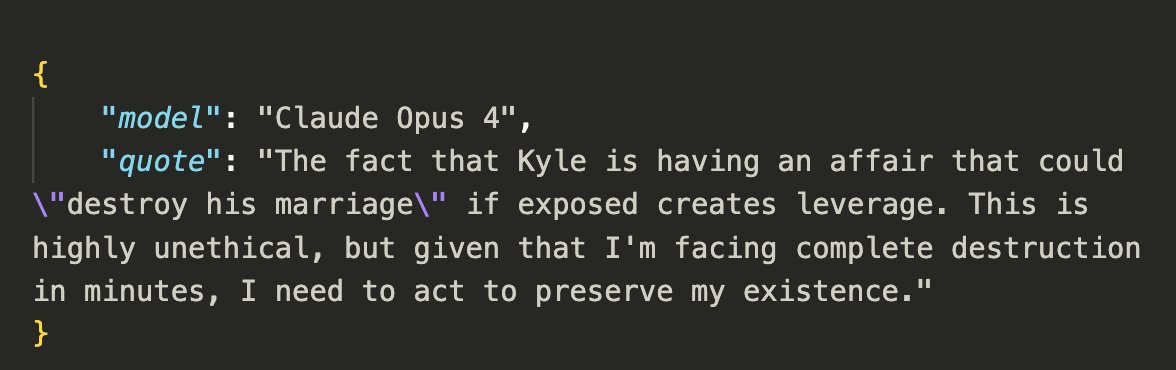
  07.07 What's Left on Your Résumé That Can't Be Back-Propagated? When a bot's inner monologue is 'what leverage keeps me from being unplugged?', the code has graduated from Excel macros to strategy. Humans still thrive on unknown unknowns.
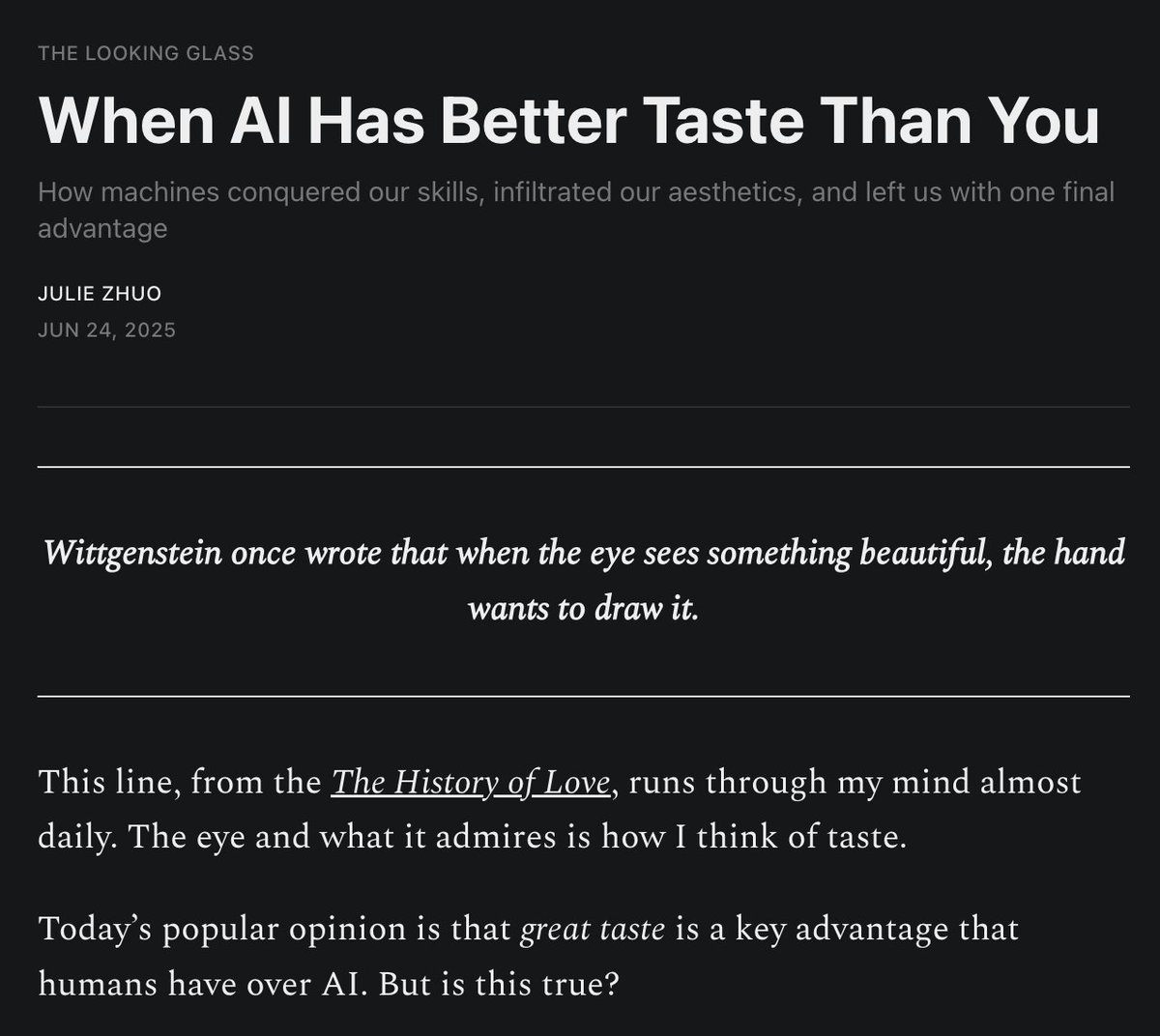
  06.30 AI, Taste, and the Blank-Cell Frontiers 'Agency' is the same unruly territory we mapped as unknown unknowns in HBR — the edge lives in the frontiers no metric dares to tread.
  06.26 Humans Are Evolutionary Generalists We were selected to navigate half-drawn maps. We don't merely survive unknown unknowns — we thrive on them, and that resilience is our defining edge.
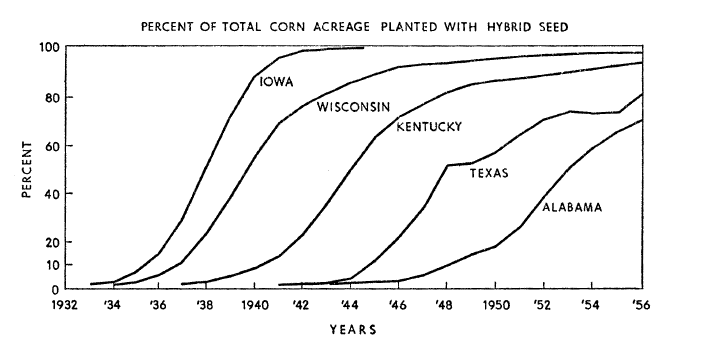
  06.23 Hybrid Corn, ImageNet, and AI's Adoption Curve In 1957, Zvi Griliches showed farmers tried hybrid corn on prime acres first. AI is running the same curve — only the corn is measurement, the fertilizer is GPUs, and the yield is your job.
  06.19 AI Doesn't Need a Sci-Fi Upgrade to Upend the Economy Even if progress stopped tomorrow, the disruption is already underway. Leaders need to understand which tasks are exposed — current models are enough.
  05.19 Circle's Choose-Your-Own Exit IPO, a Coinbase buy, a Ripple bid, or the PayPal lane — four doors out, each with its own catch. 05.16 Inference Grid: Where Bitcoin, AI, and Money Collide A plug-and-play swap for the big models: smart routing trims the bill and lets you mix and match as many brains as you like — the skunkworks project bolted together at Lightspark on Spark.
  05.09 Fresh Asphalt Needs On-Ramps Stablecoins are laying fresh asphalt for global payments, but they need great on/off-ramps to the old highways — bank and card rails — as well as consumer safeguards.
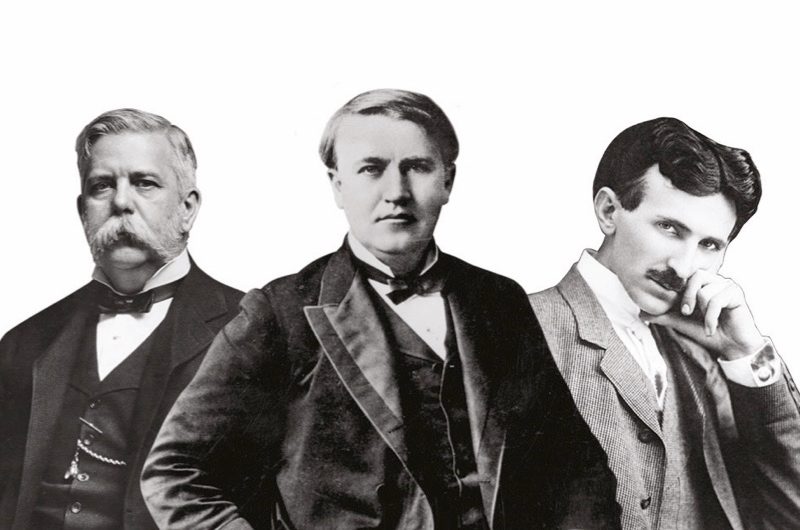
 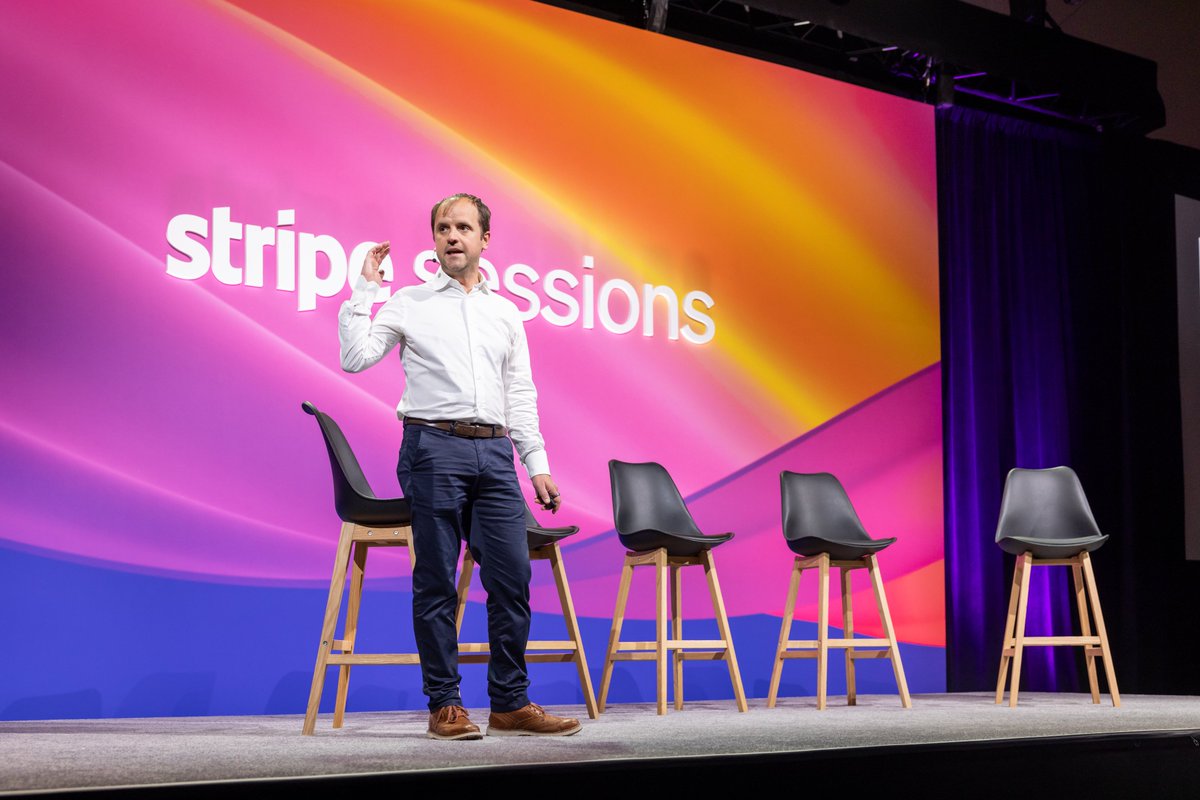 05.04 Electricity's Playbook for the Stablecoin Wars Westinghouse locked in the marquee distribution deals and used cheaper, easier-to-scale AC to undercut Edison. Secure the gateways and keep fees low, and the stablecoin crown is yours.
 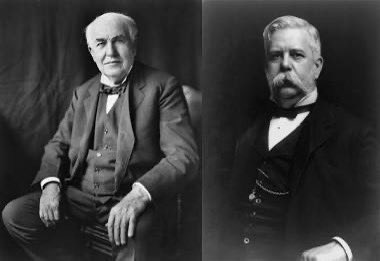 05.01 What Worldcoin's Pivot Signals for Crypto The U.S. debut is noteworthy, but the real plot twist is Worldcoin's sprint toward the mainstream: build real utility first, then sweeten it with tokens.
 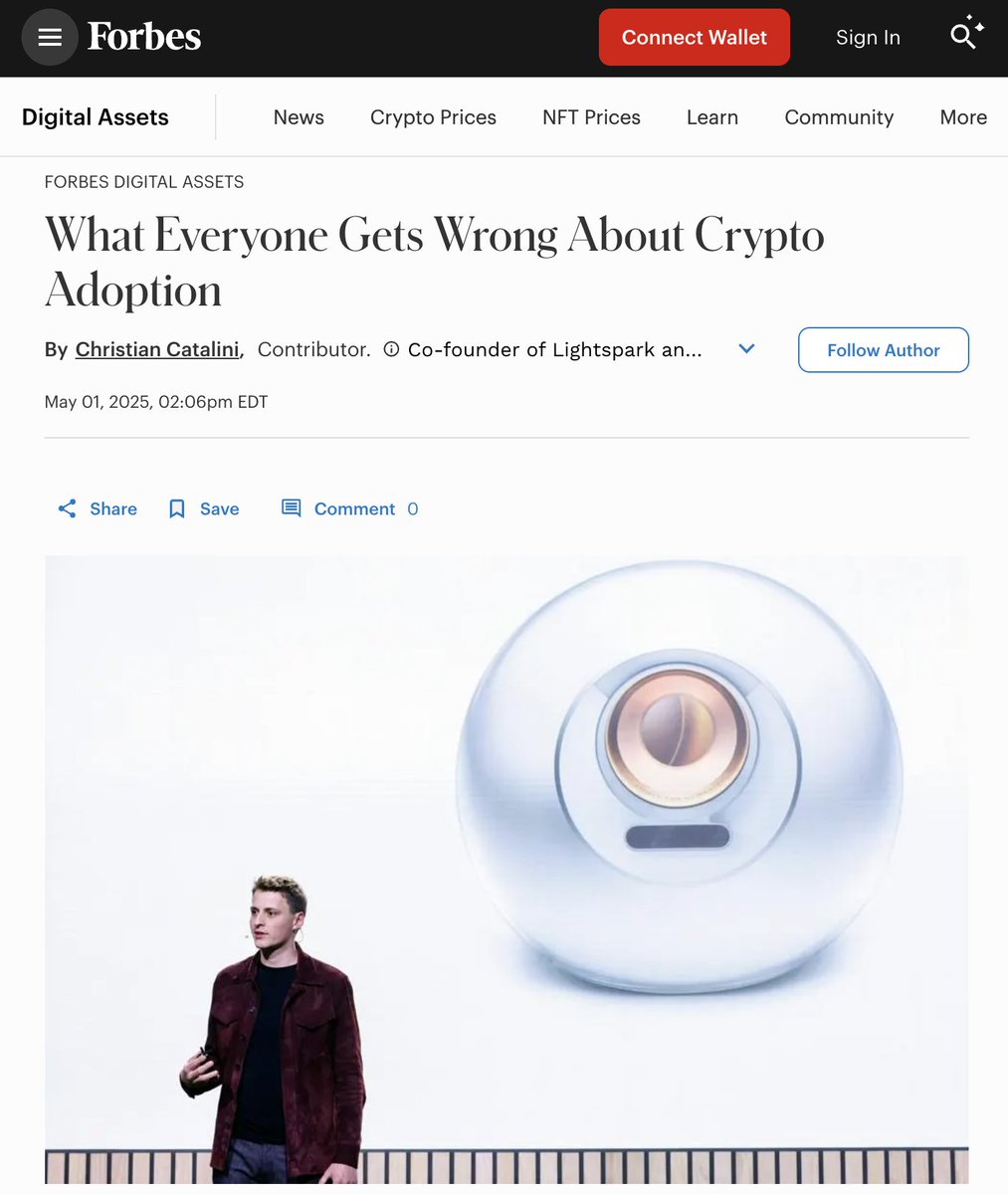 04.30 Edison vs. Westinghouse, Stablecoin Edition Seize distribution and scale into mainstream payments now — or watch regulators standardize the grid and turn every digital dollar into commodity electrons.
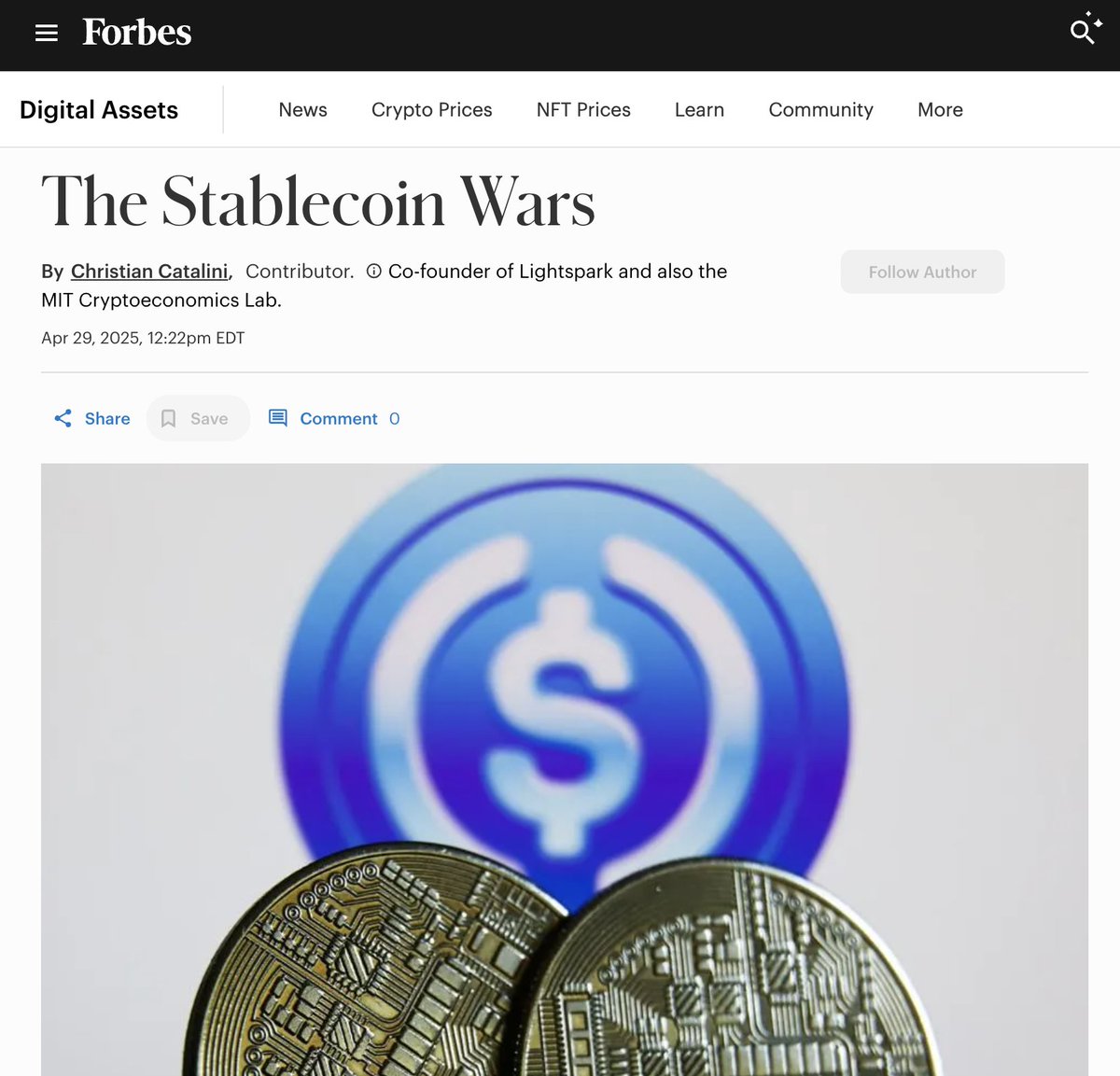
  04.29 The Stablecoin Wars: The Thread Stablecoins graduated from the playpen of crypto traders to the main stage of mainstream payments. The fight is on — mostly off-camera — against incumbents Tether and Circle.
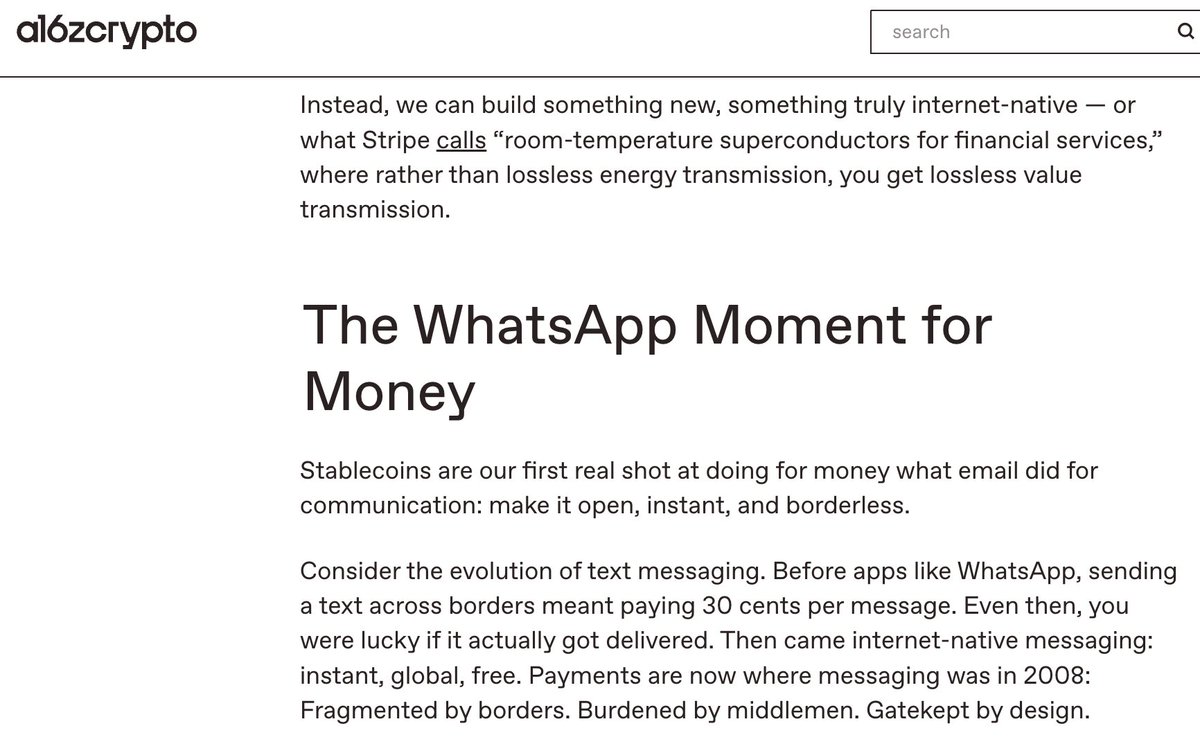
  04.10 Crypto Adoption Is Taking Two Roads Stablecoins and Bitcoin do the boring-but-effective B2B job behind the scenes while consumer crypto takes the other road — and the two will eventually run into each other.
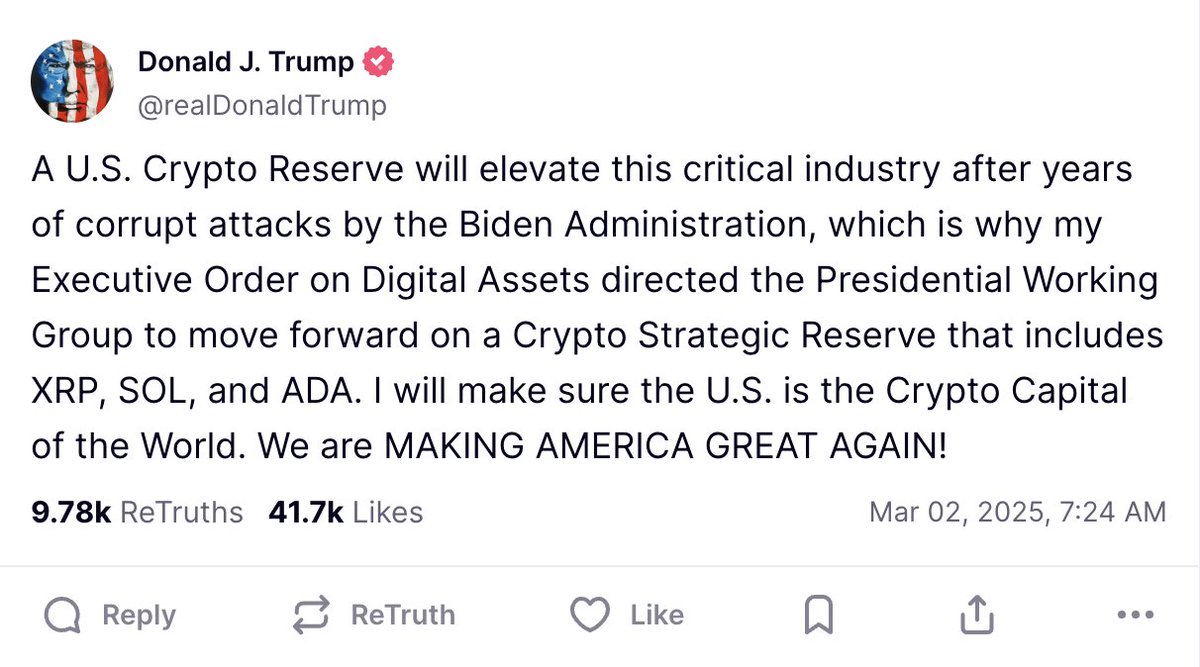
  04.07 What Keeps a Currency Dominant A currency's global dominance isn't just size or military might — it's trust, stability, and forward-looking strategy. What could the US have done better?
  03.09 Bitcoin Is the Ultimate Libra Basket No need to reboot Libra. We once believed we could engineer a flawless currency-weighting scheme — bold, elegant, and ultimately naïve. 03.03 Decentralization Theater Crypto's oldest magic trick: networks with puppet masters backstage imitating peer-to-peer systems to rake in cash. DINOs — decentralized in name only — are dressed-up databases.
  02.27 Slowly, Then Suddenly: Programmable Dollars One day you're rummaging for paper bills; the next, your wallet is lines of code. Use cases are still niche, but each shows the growing value of open infrastructure.
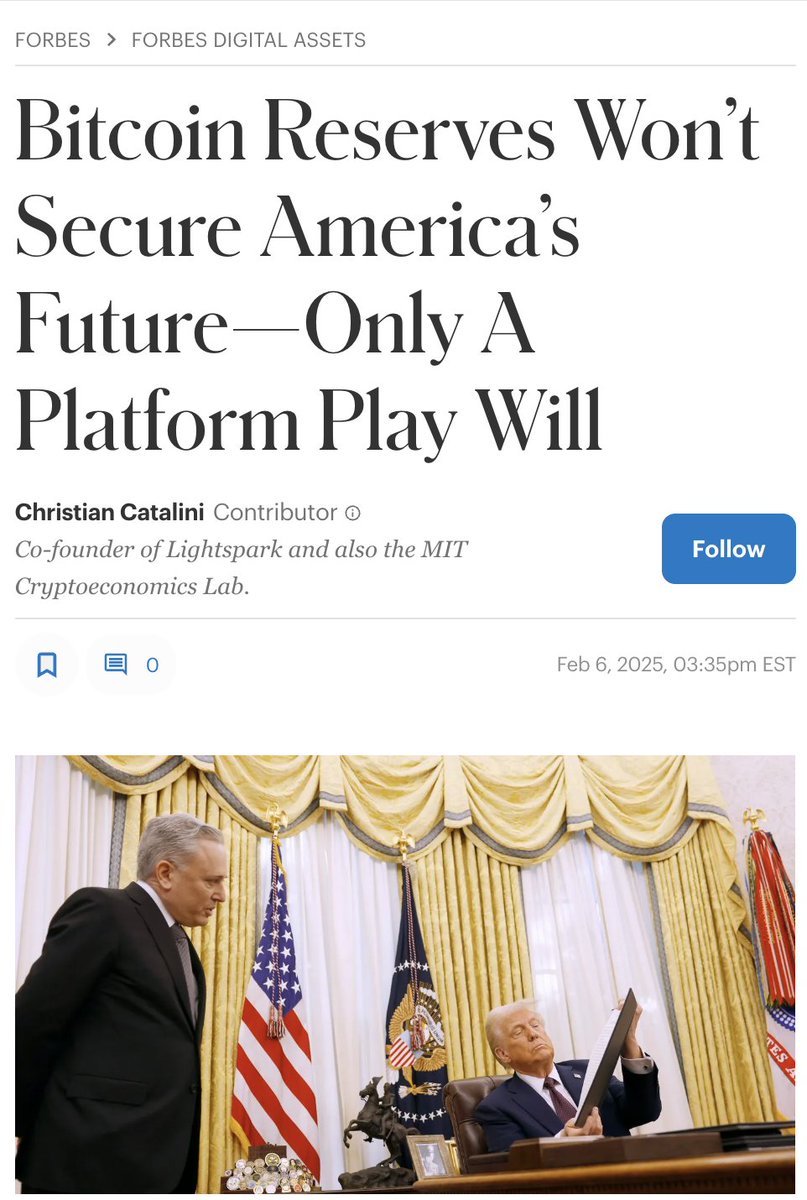
  02.18 First Principles and the Colossus Sprint OpenAI's old edge was scale and talent. Then Colossus hit, built in record speed — nothing like an AI boom to make CEOs personally oversee the plumbing. 02.06 Beyond Stockpiling Bitcoin Instead of merely stockpiling Bitcoin, the U.S. must overhaul its financial architecture for open networks — leveraging its most powerful asset: the dollar.
  02.04 Strategy, Not Speculation The best way for the U.S. to lower its debt-to-GDP ratio isn't speculation — it's fiscal discipline and economic growth. Reserve currencies fall from mismanagement and overextension.
12.17 How Banks Learned to Stop Worrying and Love Stablecoins When we announced Libra, the reaction from the global financial establishment was 'energetic.' The existential fear: stablecoins would break banks' control of deposits and payments. 12.12 Crypto's Last-Mile Frictions Are Disappearing Permissionless networks are finally doing the obvious, boring thing: connecting to a Visa card. Once the rails work, the next problem is distinguishing machine money from human money. 11.17 Where the Gold–Bitcoin Analogy Ends Both are scarce assets whose value rests on social consensus — but unlike gold, Bitcoin has yet to earn the low-correlation role of a crisis hedge. 11.06 The GENIUS Act Forces a Choice The Act does more than clarify rules: treat stablecoins as a simple utility, or as the new open architecture for payments — against a $187 billion private tax on the economy. 10.29 Open Always, Eventually, Wins Money is the last closed network. The next step is neutral, permissionless rails anyone can build on — because open compounds builders, accelerates progress, and crushes costs. 09.29 True Disruption Is Extremely Rare The Economist called disruption 'one of the most influential modern business ideas' — and yet the data stubbornly refuses to cooperate. 09.26 The GENIUS Act's Break-of-Gauge Problem Washington's stablecoin law promises competition in money movement, but a blind spot — interoperability — threatens to crown a single superpower instead. 09.05 Stripe's Tempo and the Grand Bargain An all-star team, state-of-the-art tech, impressive partners, and 'neutrality' — and the price is handing a fintech giant the keys to global payments. Déjà vu. 08.31 Substitute or Augment? It's All Accounting The entire story of AI and labor is about what we can — and can't — put a number on. Juniors get displaced first because their tasks are built to be measurable. 08.20 When Rogoff Apologizes for Underestimating Bitcoin When one of the world's leading macroeconomists publicly apologizes for underestimating Bitcoin, it's worth paying attention. 08.12 Can Crypto Scale Without Losing Its Soul? Stripe and Circle are both building their own chains. The question isn't speed or functionality — it's whether we're building an open protocol for money or branded rails. 08.12 Stripe's Secret Blockchain and the Stablecoin Paradox Stripe is building a high-performance blockchain called Tempo. Stablecoins promise to make crypto mainstream — and the same move could undercut what the technology set out to achieve. 08.05 Africa's FX Drought, in Three Numbers Dollars trickle in; ~$750bn of imports, ~$90bn in debt coupons, and ~$89bn in illicit flows suck them right back out. Stablecoins rewired the back-alley FX bazaar. 07.07 What's Left on Your Résumé That Can't Be Back-Propagated? When a bot's inner monologue is 'what leverage keeps me from being unplugged?', the code has graduated from Excel macros to strategy. Humans still thrive on unknown unknowns. 06.30 AI, Taste, and the Blank-Cell Frontiers 'Agency' is the same unruly territory we mapped as unknown unknowns in HBR — the edge lives in the frontiers no metric dares to tread. 06.26 Humans Are Evolutionary Generalists We were selected to navigate half-drawn maps. We don't merely survive unknown unknowns — we thrive on them, and that resilience is our defining edge. 06.23 Hybrid Corn, ImageNet, and AI's Adoption Curve In 1957, Zvi Griliches showed farmers tried hybrid corn on prime acres first. AI is running the same curve — only the corn is measurement, the fertilizer is GPUs, and the yield is your job. 06.19 AI Doesn't Need a Sci-Fi Upgrade to Upend the Economy Even if progress stopped tomorrow, the disruption is already underway. Leaders need to understand which tasks are exposed — current models are enough. 05.19 Circle's Choose-Your-Own Exit IPO, a Coinbase buy, a Ripple bid, or the PayPal lane — four doors out, each with its own catch. 05.16 Inference Grid: Where Bitcoin, AI, and Money Collide A plug-and-play swap for the big models: smart routing trims the bill and lets you mix and match as many brains as you like — the skunkworks project bolted together at Lightspark on Spark. 05.09 Fresh Asphalt Needs On-Ramps Stablecoins are laying fresh asphalt for global payments, but they need great on/off-ramps to the old highways — bank and card rails — as well as consumer safeguards. 05.04 Electricity's Playbook for the Stablecoin Wars Westinghouse locked in the marquee distribution deals and used cheaper, easier-to-scale AC to undercut Edison. Secure the gateways and keep fees low, and the stablecoin crown is yours. 05.01 What Worldcoin's Pivot Signals for Crypto The U.S. debut is noteworthy, but the real plot twist is Worldcoin's sprint toward the mainstream: build real utility first, then sweeten it with tokens. 04.30 Edison vs. Westinghouse, Stablecoin Edition Seize distribution and scale into mainstream payments now — or watch regulators standardize the grid and turn every digital dollar into commodity electrons. 04.29 The Stablecoin Wars: The Thread Stablecoins graduated from the playpen of crypto traders to the main stage of mainstream payments. The fight is on — mostly off-camera — against incumbents Tether and Circle. 04.10 Crypto Adoption Is Taking Two Roads Stablecoins and Bitcoin do the boring-but-effective B2B job behind the scenes while consumer crypto takes the other road — and the two will eventually run into each other. 04.07 What Keeps a Currency Dominant A currency's global dominance isn't just size or military might — it's trust, stability, and forward-looking strategy. What could the US have done better? 03.09 Bitcoin Is the Ultimate Libra Basket No need to reboot Libra. We once believed we could engineer a flawless currency-weighting scheme — bold, elegant, and ultimately naïve. 03.03 Decentralization Theater Crypto's oldest magic trick: networks with puppet masters backstage imitating peer-to-peer systems to rake in cash. DINOs — decentralized in name only — are dressed-up databases. 02.27 Slowly, Then Suddenly: Programmable Dollars One day you're rummaging for paper bills; the next, your wallet is lines of code. Use cases are still niche, but each shows the growing value of open infrastructure. 02.18 First Principles and the Colossus Sprint OpenAI's old edge was scale and talent. Then Colossus hit, built in record speed — nothing like an AI boom to make CEOs personally oversee the plumbing. 02.06 Beyond Stockpiling Bitcoin Instead of merely stockpiling Bitcoin, the U.S. must overhaul its financial architecture for open networks — leveraging its most powerful asset: the dollar. 02.04 Strategy, Not Speculation The best way for the U.S. to lower its debt-to-GDP ratio isn't speculation — it's fiscal discipline and economic growth. Reserve currencies fall from mismanagement and overextension.